How to Grow Dragon Fruit (Pitaya)
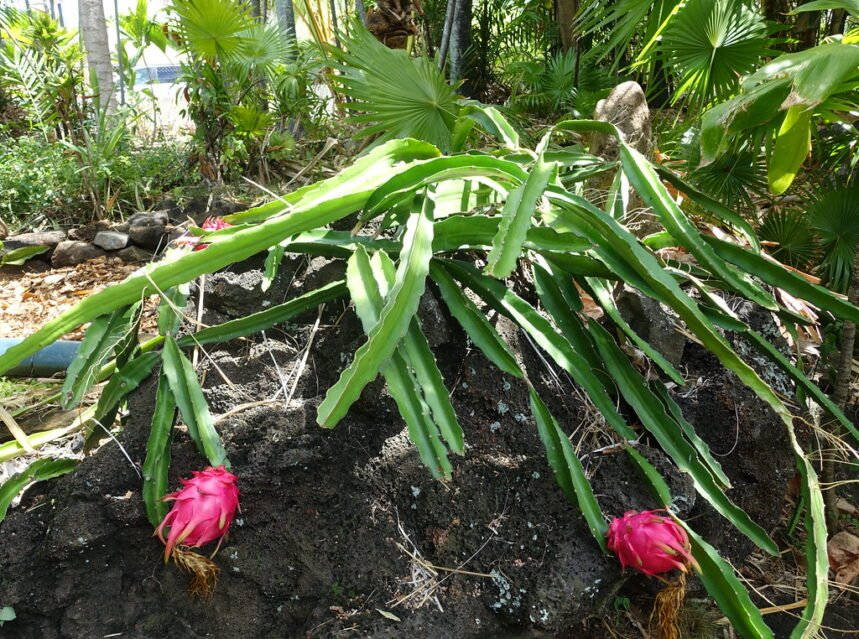
Dragon fruit (pitaya), the fruit of a climbing cactus (Hylocereus species), is as dramatic as its name. Vivid pink or yellow scaly skin opening to white or magenta flesh flecked with tiny black seeds, sweet and refreshing. The plant is a fascinating, fast-growing cactus that produces huge, fragrant, night-blooming flowers. Increasingly popular worldwide, it’s surprisingly easy to grow with support and warmth. Here is the complete guide on how to grow dragon fruit (pitaya).
Quick start: Grow dragon fruit in full sun (6–8 hours) in rich, well-drained soil, with a strong post or trellis to climb. Water deeply but let the soil dry between waterings — overwatering rots it. Feed low-nitrogen, high-potassium. Grow from cuttings to fruit in 2–3 years (much faster than seed). It’s frost-tender. Some types need hand-pollinating.
Dragon fruit, or pitaya, is a climbing cactus. Growers quickly learn it needs a seriously strong support to carry its heavy, sprawling stems. Its flowers are spectacular but fleeting, opening for a single night, so many growers hand-pollinate after dark to guarantee fruit. Some varieties need a second plant to cross-pollinate. It is drought-tolerant and fast-growing but strictly frost-tender. It is becoming increasingly popular in Indian gardens, where the heat suits it well.
🧰 In a hurry? Jump straight to our tested picks for this guide ↓
Dragon fruit at a glance
| Feature | Detail |
|---|---|
| Botanical name | Hylocereus / Selenicereus species (family Cactaceae) |
| Common names | Dragon fruit, pitaya |
| Plant type | Climbing cactus |
| Sun | Full sun to light afternoon shade |
| Support | Strong, sturdy post or trellis (essential) |
| Flowers | Huge, night-blooming, often hand-pollinated |
| Climate | Warm and frost-free |
Why grow dragon fruit?
Dragon fruit offers a striking, refreshing, increasingly trendy fruit that’s pricey in shops, plus one of the most spectacular flowers in cultivation — huge, fragrant, and night-blooming. The plant is a fast-growing, fascinating climbing cactus, easy from cuttings, drought-tolerant, and productive in warm climates. For an exotic, ornamental, and rewarding fruit, it’s a brilliant choice.
Where dragon fruit grows best
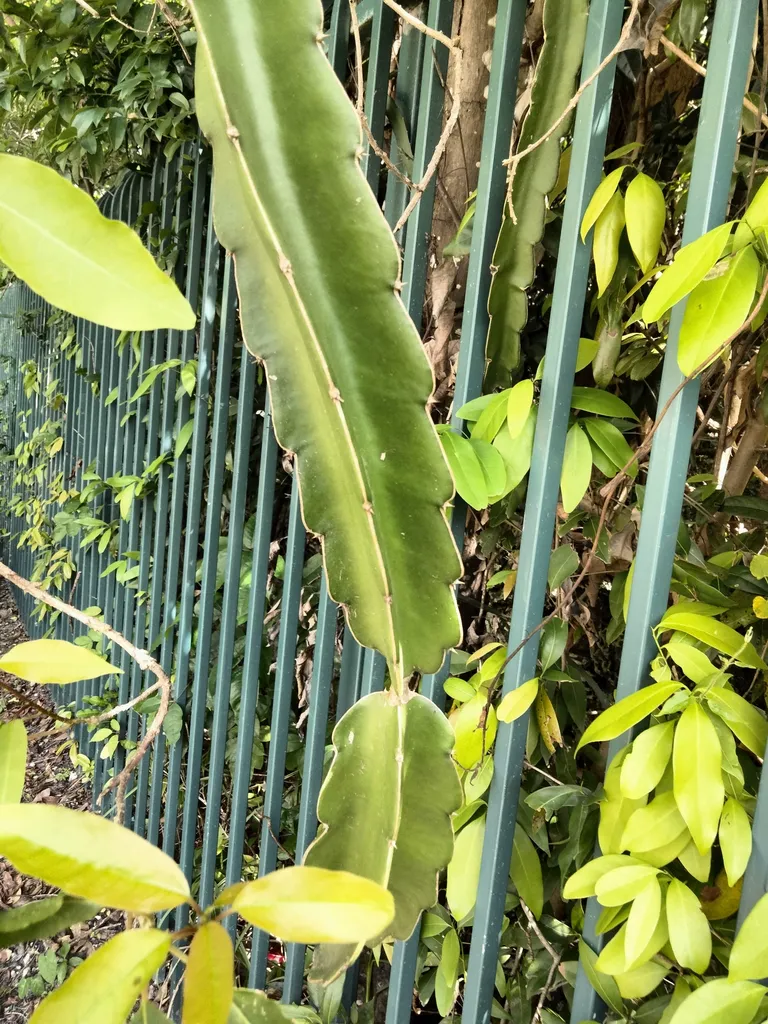
Dragon fruit (Hylocereus) is native to Central America and now grown across Vietnam (a top producer), Southeast Asia, India, Australia, and warm parts of the US. It’s tropical-to-subtropical (USDA zones 10–11) and frost-tender. It likes heat and sun but young plants can scorch in extreme heat. In cooler regions it’s grown in large pots under cover or as a greenhouse plant.
Best season & when to plant
Plant or root dragon fruit cuttings in spring/summer warmth. The cactus grows fast and, once mature, the night-blooming flowers and fruit come in flushes through the warm season (summer into autumn). Grown from cuttings, it fruits in about 2–3 years; seed-grown plants take much longer.
How to plant and grow dragon fruit
- Grow from a cutting: let the cut end callus for a few days, then insert about 2 inches deep into well-draining mix; roots form in 3–4 weeks.
- Install a strong support — a stout post, concrete pillar, or sturdy trellis — as the heavy stems need to climb and the fruit-laden plant gets weighty.
- Plant in full sun (6–8 hours) in rich but very well-drained soil (it actually prefers richer soil than most cacti) — see improving garden soil.
Watering & feeding
Despite being a cactus, dragon fruit likes regular but careful watering. Water deeply, then let the topsoil dry before watering again. Overwatering causes root and stem rot, especially in cool weather (see how often to water). Feed with a low-nitrogen, higher phosphorus-and-potassium fertilizer to encourage flowers and fruit rather than just leafy stem growth.
Pruning & pollination
Prune to remove weak, dead, or tangled stems and to encourage strong, upright growth and good airflow (which boosts flowering). On pollination: some dragon fruit varieties are self-fertile, but many need cross-pollination. And because the flowers open at night, they may rely on moths/bats. Hand-pollinating in the evening (transferring pollen with a brush) greatly improves fruit set.
Common pests & diseases
The main risk is stem and root rot from overwatering or poor drainage. Watch also for scale, mealybugs, ants, and sunburn on young stems (see sap-sucker control). Sharp drainage, careful watering, airflow, and the methods in our organic pest control guide keep plants healthy.
Harvesting
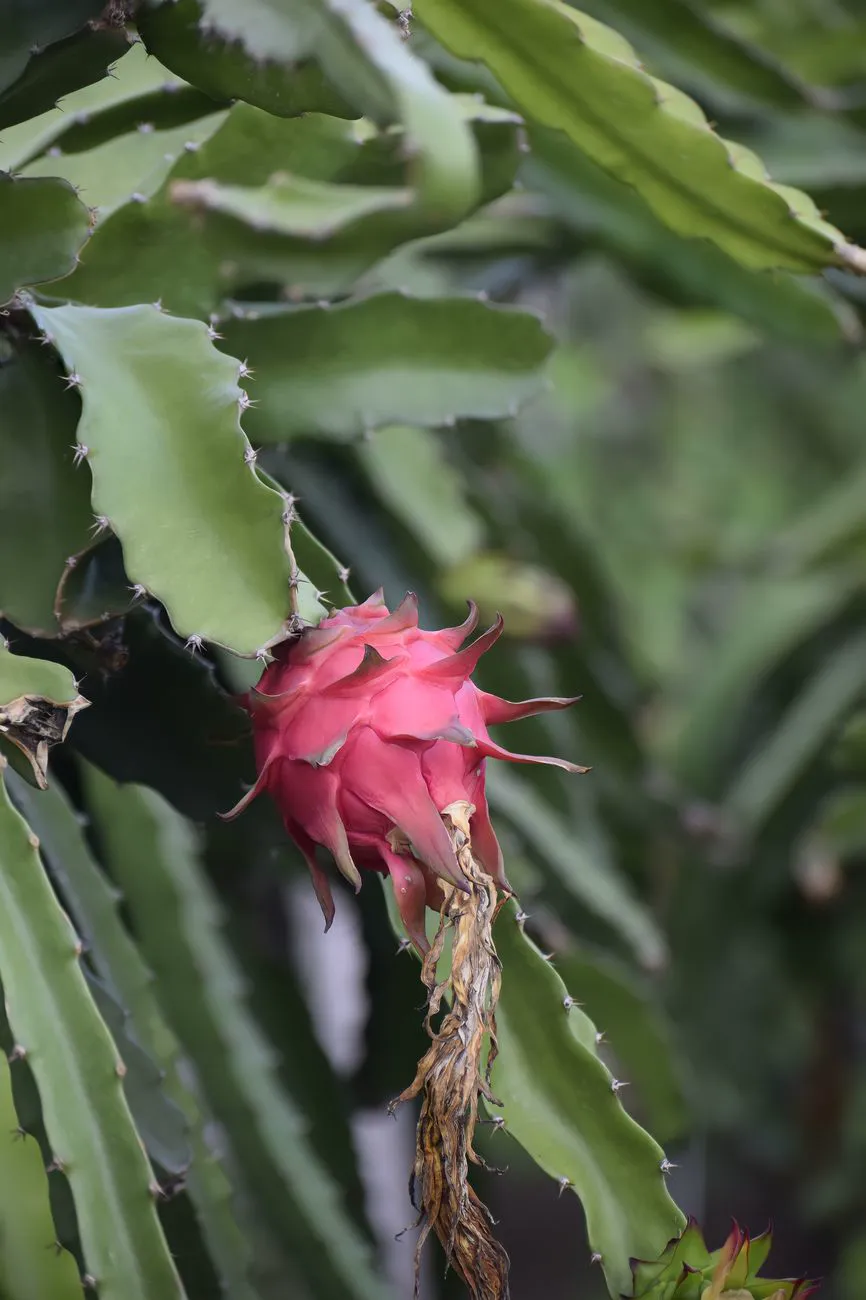
Dragon fruit is ready about a month after flowering, when the skin turns fully bright pink/red or yellow and the little “wings” (bracts) begin to wither. The fruit gives slightly to a gentle squeeze. Twist or cut it from the stem. It doesn’t ripen much further once picked, so harvest when fully coloured. It keeps for a week or two in the fridge.
Health benefits & uses
Dragon fruit is low in calories and carries vitamin C, fibre, antioxidants, and (in red-fleshed types) betalains. USDA FoodData Central has no reference row for pitaya, so the widely quoted per-100 g figures for it come from individual studies and vary a good deal between species and growing regions. It’s eaten fresh (scooped or cubed), and used in smoothies, fruit bowls, salads. Drinks, prized as much for its vivid colour as its mild, sweet taste. The spectacular flowers also draw night pollinators (see attracting pollinators).
This article is for general information only and is not medical advice. Talk to a qualified professional before using any plant medicinally.
Common dragon fruit problems
Stem/root rot
Overwatering or poor drainage. Water deeply but infrequently and use very well-drained soil.
Flowers but no fruit
Needs cross-pollination. Hand-pollinate the night flowers, or grow a self-fertile variety and a second plant.
Leggy growth, few flowers
Too much nitrogen or weak support. Feed low-nitrogen, prune, and give a strong climbing structure.
History, origin & how dragon fruit spread
Dragon fruit is the fruit of a climbing cactus native to Central America and Mexico, where it scrambles over rocks and trees in the warm tropics (see Encyclopaedia Britannica). Spanish traders carried it across the Pacific, and it found a second home in Southeast Asia.
Today Vietnam is the biggest Asian producer, with Thailand, Malaysia and Israel also growing it commercially, while Nicaragua, Colombia, Ecuador and Peru lead in the Americas (Wikipedia on dragon fruit production). No official world tonnage exists, because FAO’s crop statistics have no pitaya item. The crop has spread rapidly into India, where it is now grown commercially and in home gardens as a hardy, high-value fruit. Its tolerance of heat and drought, and its quick cropping, have made it popular with terrace and small-farm growers across the warmer parts of the country.
Pollination and getting fruit
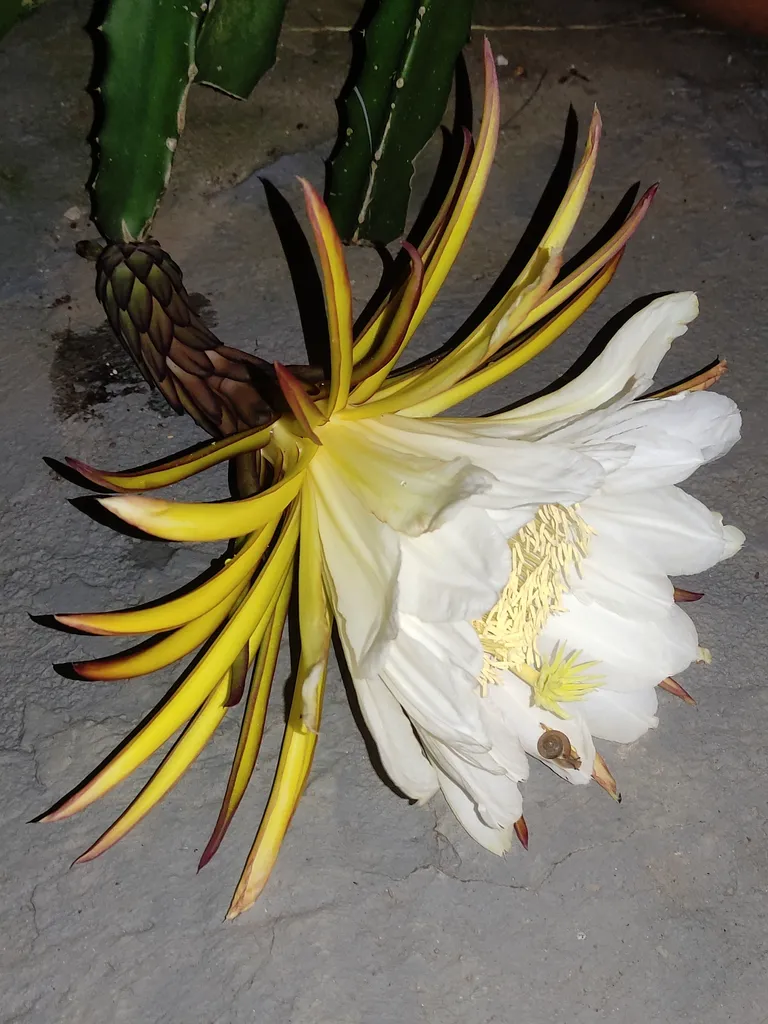
The flowers are one of the wonders of the plant world, vast, fragrant blooms that open for a single night and are pollinated by moths and bats. The catch is that many varieties are self-incompatible, needing pollen from a different plant to set fruit. Growers often step in with a soft brush after dark, transferring pollen by hand to guarantee a crop. Growing two different varieties nearby also improves fruit set dramatically.
Support and growing in containers
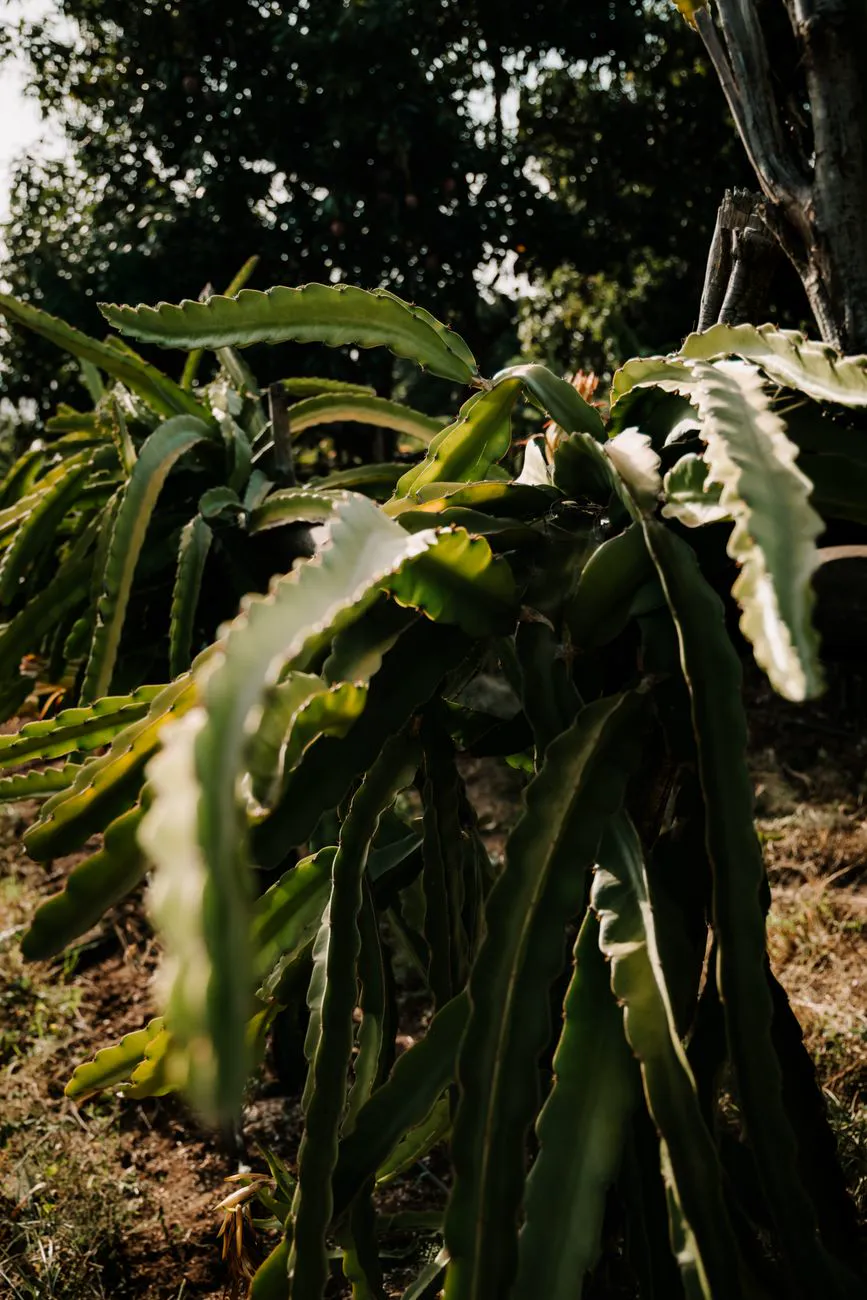
A dragon fruit plant becomes heavy and sprawling. A strong, permanent support is essential, traditionally a stout post topped with a frame for the stems to cascade over. It grows well in a large container on a sunny terrace, given that sturdy support and very free-draining cactus compost. Water it when the soil dries, feed lightly in the growing season. Protect it from any frost, and it will reward a patient grower within a couple of years.
Harvesting and using dragon fruit
Once a dragon fruit plant settles in, it crops surprisingly fast, often within a year or two of planting. A mature plant can fruit several times in a warm season. The fruit is ready when the skin has coloured fully and the little wings, or bracts, begin to wither, usually about a month after flowering (see watering guidance for the swelling stage). A gentle twist frees a ripe fruit from the stem.
Inside, the white, pink or deep magenta flesh is dotted with tiny edible seeds, mildly sweet and refreshing, best eaten chilled and scooped straight from the skin. Beyond the fruit, the plant itself is a striking, sculptural addition to a hot terrace or courtyard, its thick triangular stems giving a bold architectural look year-round. For other heat-loving edibles to grow alongside it, see our guides to guava and container crops. Enjoy the same warm, sunny conditions.
Related plant guides
- How to grow Custard Apple
- How to grow Passion Fruit
- How to grow Pomelo
- How to grow Soursop
- How to grow Grapefruit
- How to grow Kiwi
Frequently asked questions
How soon does dragon fruit produce?
From cuttings, about 2–3 years; seed-grown plants take much longer.
Do dragon fruit flowers really bloom at night?
Yes — the huge, fragrant flowers open at night and fade by morning, so hand-pollinating in the evening helps fruit set.
Why is my dragon fruit rotting?
Almost always overwatering or poor drainage — water deeply but let the soil dry between waterings.
Does dragon fruit need support?
Yes — it’s a climbing cactus with heavy stems, so a strong post or trellis is essential.
How do you hand-pollinate dragon fruit?
Wait until the flower is fully open at night, then take a small soft brush or simply pinch off a whole stamen and dust the yellow pollen generously onto the cream-coloured, many-lobed stigma in the centre. University of Florida horticulturists suggest doing this during the night or the early morning hours, and pollen taken from a different plant gives better results than pollen from the same flower. Store spare pollen in a small closed container in the fridge for a day or two if your plants do not flower on the same night. Hand pollination is the single biggest fix for gardeners who get plenty of flowers but hardly any fruit.
Is dragon fruit self-pollinating, or do I need two plants?
It depends entirely on the variety. Some selections are self-fertile and will set fruit alone, but self-incompatibility has been reported in several cultivars sold by nurseries, which means a lone plant of those types can flower for years without ever fruiting. The safe strategy recommended by extension horticulturists is to grow two or three genetically different types, not cuttings of the same clone, so cross-pollination is possible. If you already have one plant and no fruit, adding a different variety is usually cheaper and quicker than replacing it.
Why is my dragon fruit not flowering?
Age is the most common reason — a young plant simply has not built enough stem mass yet, and plants grown from seed can take several years longer than plants grown from cuttings. After that, look at light and pruning: flowers form on mature stems that get strong sun, so a plant in shade or a tangled unpruned mass will stay leafy and blank. Too much nitrogen fertiliser also pushes green growth at the expense of buds, so switch to a lower-nitrogen feed as the plant matures. A cooler, drier rest period in winter and early spring helps trigger bloom, followed by steady watering once buds appear.
Why is my dragon fruit plant turning yellow?
Yellow, soft stem segments almost always point to too much water at the roots or a poorly drained pot, which is the fastest way to kill this cactus. Pale, evenly yellow growth on a plant that is otherwise firm suggests hunger or an iron shortage, which is common in alkaline soils and is corrected with a chelated iron drench plus a balanced feed. Yellowing patches with sunken spots may be stem canker or rot spreading from a wound, in which case cut the affected segment out cleanly and improve airflow. Check drainage first, feeding second and disease last.
Why is my dragon fruit growing aerial roots?
This is completely normal and is not a sign of a problem. Dragon fruit is a climbing, partly epiphytic cactus, and in the wild it throws out those white aerial roots to grip tree bark and rock as it climbs. On a trellis they anchor the stems and can also absorb some moisture from humid air. Leave them alone unless they are untidy, and if a long root reaches the ground let it root in — it will feed the plant. A sudden burst of aerial roots often just means high humidity or a plant looking for something to climb.
Can dragon fruit be grown in India, and will it grow in a pot?
Yes on both counts. India now has commercial dragon fruit farms across Gujarat, Maharashtra, Karnataka, Andhra Pradesh and Telangana, and the crop suits the country’s warm, frost-free regions well. For home growers, a container of at least 40 to 50 litres with a gritty free-draining mix and a strong central post works on a terrace, with two or three cuttings planted around the same pole. The main cautions are drainage during the monsoon and stem sunburn in very hot, dry, high-glare conditions, where about 30 percent shade for the first few months after planting helps. Keep the pot raised so water never sits underneath it.
How long after flowering is dragon fruit ready to pick, and how long does a plant live?
Fruit develops fast: it generally takes about four to eight weeks from pollination to harvest, depending on temperature, and the fruit is ready when the skin has coloured fully and the scaly “wings” begin to wither. Cut it off with clippers rather than pulling, and trim the stub flush with the fruit. A plant can flower several times in a season, so harvesting runs in waves through the warm months. Established plants three to four years old may yield around 100 kg of fruit a year, and a well-managed planting can keep cropping for roughly twenty years.
Still stuck? Ask the Plant Doctor
Describe the problem — yellow leaves, holes, no flowers — and get a clear answer in seconds. FreeAI can make mistakes. Answers are guidance, not a guarantee — check anything important against the guide it links to, and always read the label on any product before you use it.