How to Grow Escallonia
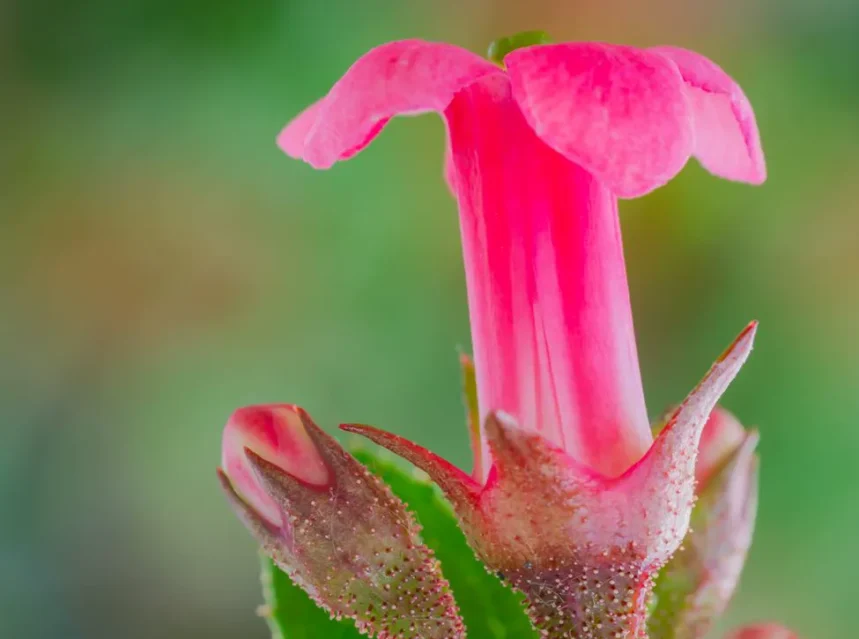
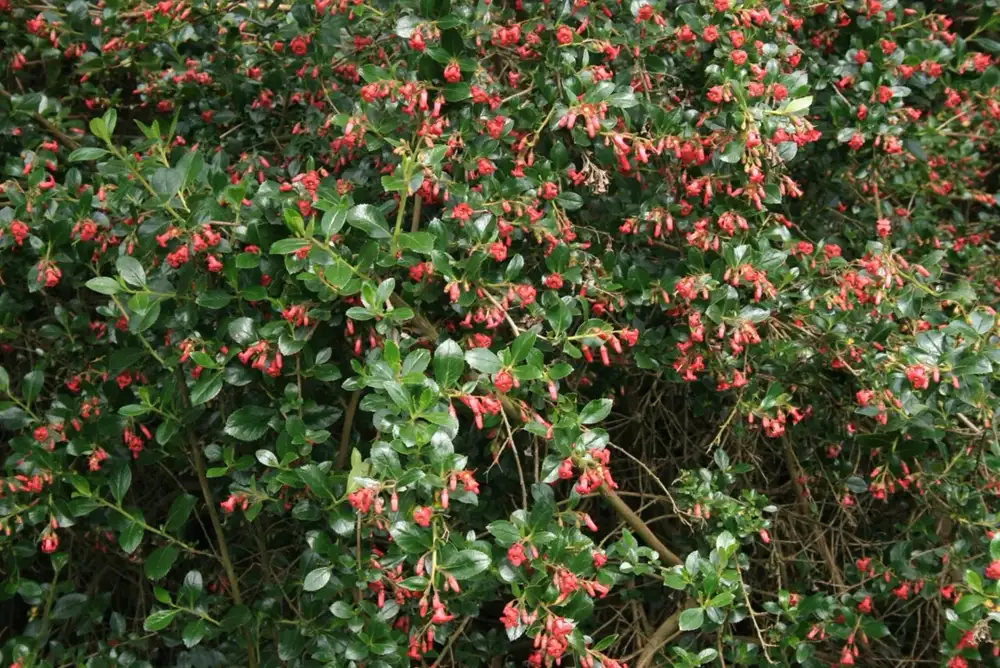
Escallonia is an easy evergreen shrub grown for its glossy little leaves and clusters of small pink, red, or white flowers through summer — a tough, fast plant especially prized for coastal hedges, as it shrugs off salt-laden wind. Bee-friendly and low-care, it gives reliable colour and evergreen screening. Here is the complete guide on how to grow escallonia.
Quick start: Grow escallonia in full sun in any free-draining soil. Plant in spring or autumn and water until established. It flowers through summer on the previous year’s wood, so trim hedges lightly after flowering. Escallonia is excellent for seaside and exposed gardens, hardy in mild areas, and almost trouble-free once settled.
Experienced growers and the Royal Horticultural Society rate escallonia as a superb coastal shrub, with a couple of useful notes. The biggest is its salt and wind tolerance, which makes it one of the best hedging plants for seaside gardens where many shrubs scorch. The second is pruning, since it flowers on the previous year’s growth, so they trim hedges right after flowering to keep both shape and blooms. Most also note it is fast and easy in mild areas, though hard frost can damage it in cold inland gardens.
🧰 In a hurry? Jump straight to our tested picks for this guide ↓
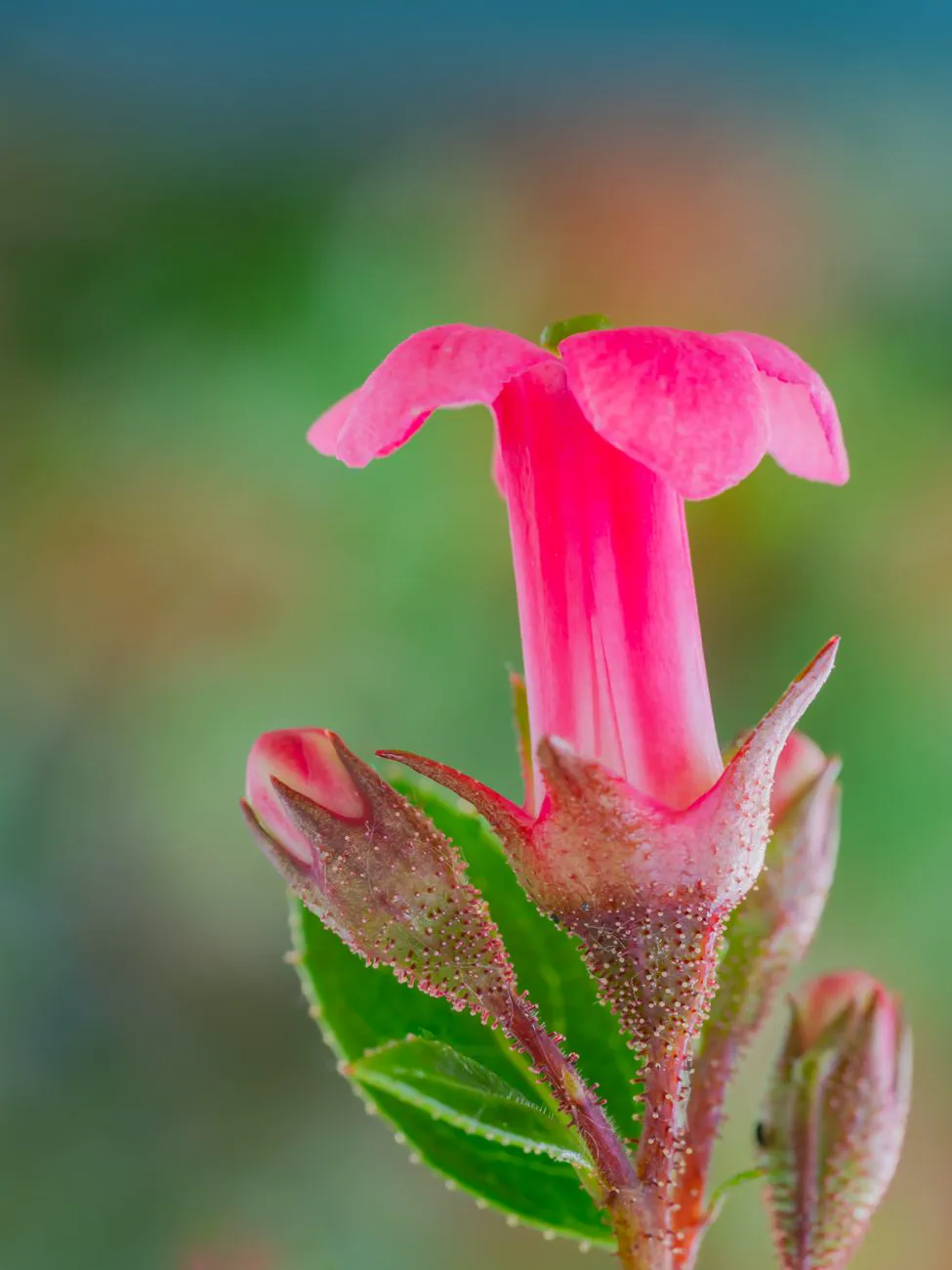
Escallonia at a glance
| Feature | Detail |
|---|---|
| Botanical name | Escallonia (family Escalloniaceae) |
| Plant type | Evergreen flowering shrub |
| Height/spread | About 1.5–3 m |
| Sun | Full sun (light shade tolerated) |
| Soil | Any free-draining |
| Bloom time | Early to late summer |
| Best for | Coastal hedges, screens, pollinators |
| Watch out | Can be frost-tender in cold inland gardens |
Why grow escallonia?
Escallonia is one of the best shrubs for a tough, exposed, or seaside spot. It tolerates salt spray and wind that would scorch other plants, making it a top choice for coastal hedges and screens.
It is also generous and easy, flowering through much of summer in cheerful pinks, reds, and whites, with glossy evergreen leaves the rest of the year. The nectar-rich flowers draw bees and butterflies, and the dense growth gives privacy and wildlife cover, all for very little care. Few flowering evergreens are so willing in difficult, windy spots. That combination of toughness and long flowering is what makes it so popular.
History, origin & where it grows
Escallonia comes from South America, especially the Andes of Chile and Argentina, where it grows on sunny hillsides and scrub. This origin gives it a love of sun and good drainage.
It was introduced to Western gardens and quickly became popular for hedging, particularly near the sea, with many garden hybrids bred for hardiness and flower colour (see the background on Escallonia). It is now a mainstay of mild and coastal gardens.
Escallonia thrives in mild, maritime climates such as the UK, Ireland, coastal Europe, and the milder US. In India, it suits the cooler hill stations with mild winters, rather than the hot, humid plains or areas with hard frost.
Best season & when to plant
Plant escallonia in spring or autumn, while the weather is mild, so it establishes before summer or winter extremes. Spring planting is safest in colder areas.
It flowers through summer, often over many weeks. In India’s hills, plant in the mild season and give it a sunny, sheltered, free-draining spot for the best flowering and the toughest growth.
How to plant escallonia
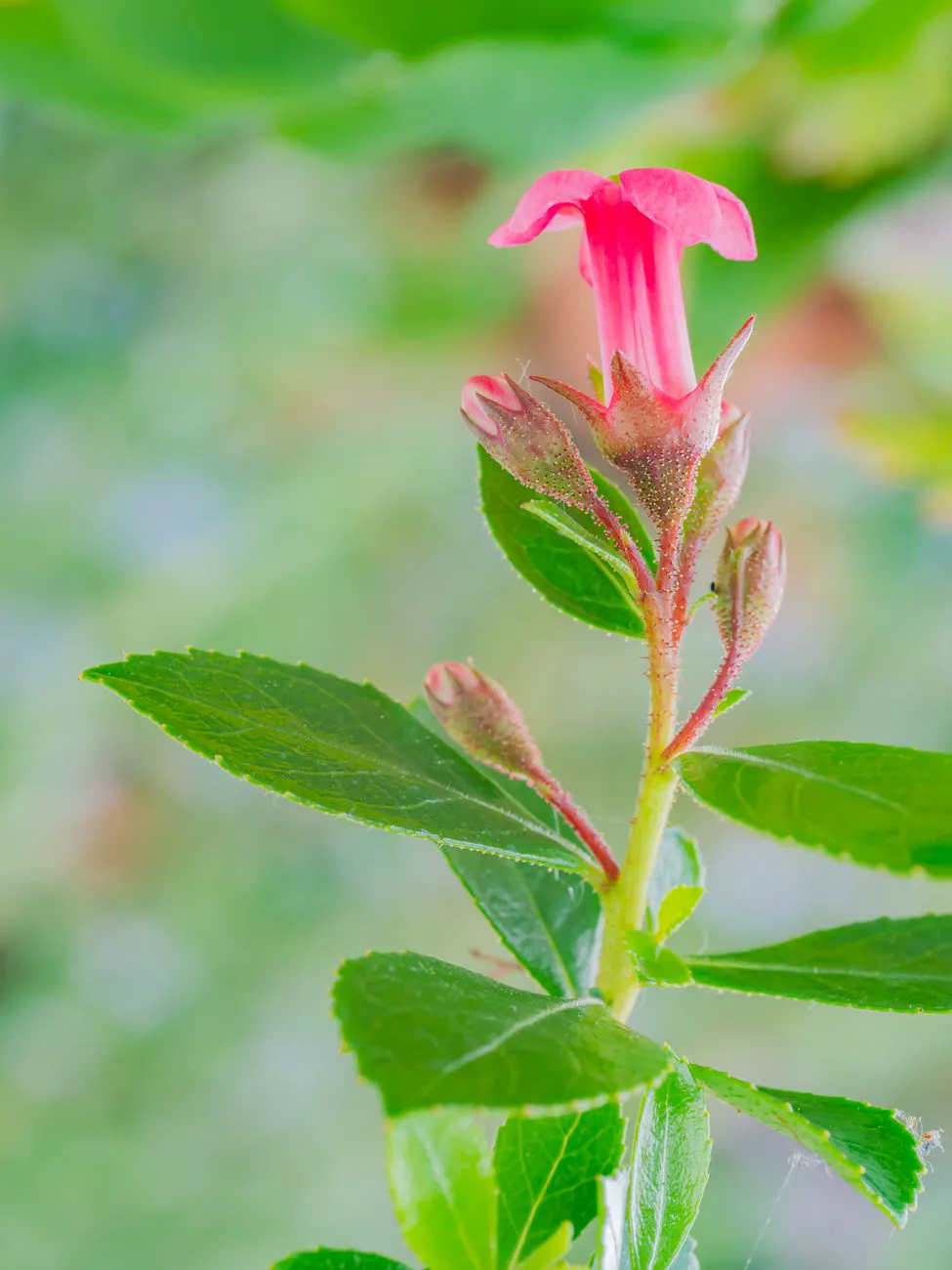
Escallonia is sold as young potted shrubs and is easy to establish, especially for hedging. For a strong plant or hedge:
- Choose a sunny spot, ideally sheltered from hard frost inland, with free-draining soil.
- It tolerates most soils, but a little compost helps it settle (see improving garden soil).
- Plant at the same depth as the pot, firm in, and water well.
For a hedge, space plants about 45–60 cm apart so they grow into a dense screen. Add a mulch to hold moisture while the roots establish.
Sun, soil, watering & feeding
Escallonia flowers best in full sun but tolerates light shade. It is unfussy about soil, growing in any free-draining ground, including poor and sandy coastal soils, but dislikes waterlogging.
Water young plants in dry spells until established, after which escallonia is fairly drought-tolerant (see how often to water plants). Feed lightly in spring with a balanced fertiliser and a mulch. It needs little feeding to flower well, making it genuinely low-maintenance.
When and how to prune escallonia
Pruning keeps escallonia neat and full of flower, and the timing matters because it blooms on the previous year’s wood.
Trim hedges and shrubs straight after flowering, removing the spent flowering shoots to keep a tidy shape and encourage new growth for next year. Avoid hard pruning in late autumn or winter, which removes flower buds and can expose soft growth to frost. Old, overgrown plants can be renovated by cutting back harder in spring, accepting the loss of one season’s flowers.
Growing escallonia as a coastal hedge
Escallonia’s greatest strength is as a seaside hedge, where its salt and wind tolerance really shine. Few flowering evergreens cope so well with coastal exposure.
Planted in a row and trimmed after flowering, it forms a dense, glossy, wind-filtering screen that protects the rest of the garden, while still flowering generously. It also makes an excellent windbreak hedge on exposed inland sites in mild areas. The dense growth shelters birds, and the summer flowers feed pollinators, so a escallonia hedge is both practical and full of life.
Best companion plants for escallonia
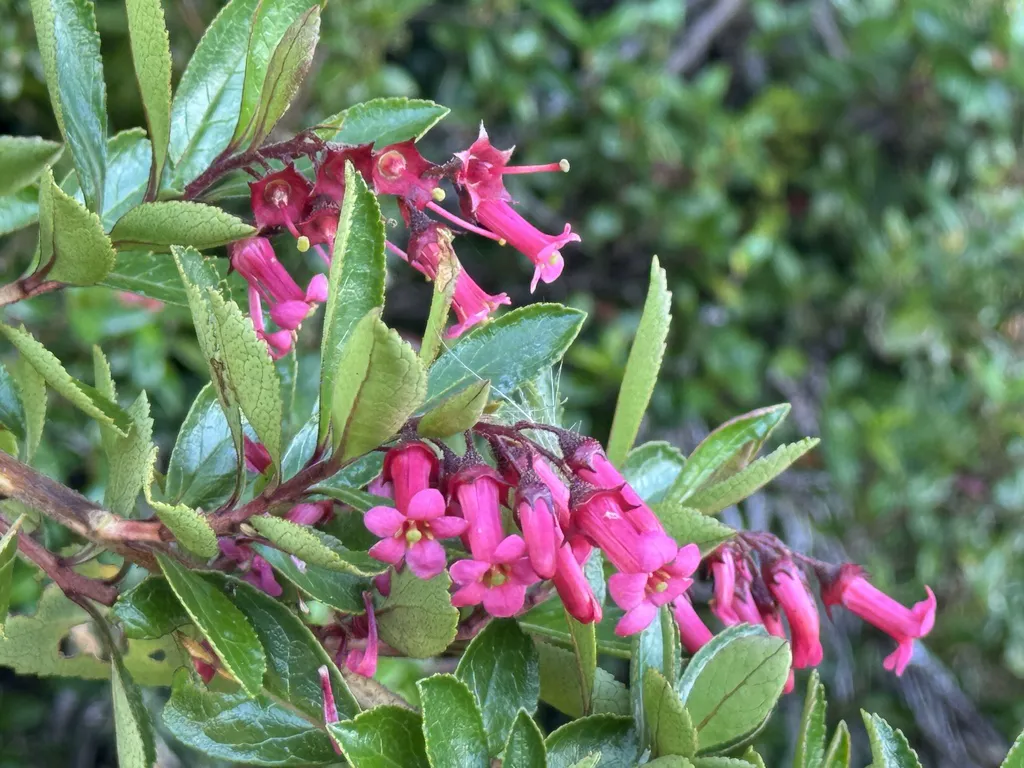
Escallonia works beautifully alongside other tough, sun-loving plants, especially in coastal and exposed gardens. Pairing it with similar survivors makes a resilient, colourful scheme.
In a seaside garden, it combines well with other salt-tolerant shrubs such as hebe, griselinia, and pittosporum, which share its love of mild, windy conditions. Its pink, red, or white summer flowers sit happily with lavender, hardy geraniums, and ornamental grasses in a sunny border. As a flowering hedge, it provides a glossy green and floral backdrop for lower perennials planted in front. The nectar-rich blooms also make it a natural partner for other pollinator favourites, helping to turn a windy boundary into a lively, bee-friendly feature. Grouped with fellow drought- and salt-tolerant plants, escallonia anchors a low-care planting that shrugs off the toughest coastal weather while still flowering generously through summer.
Common pests & diseases
Escallonia is generally tough and trouble-free, with one disease worth knowing. Healthy plants in good conditions rarely need attention.
Escallonia leaf spot, a fungal disease, can cause rusty spots and leaf drop, especially in damp gardens. Otherwise the odd aphid may appear. Improve airflow, clear fallen leaves, remove affected growth, and choose more resistant varieties where leaf spot is a known problem.
Uses & benefits
Escallonia is grown as an ornamental and hedging shrub, valued for its summer flowers, glossy evergreen leaves, and exceptional tolerance of salt and wind. It is ideal for coastal hedges, windbreaks, screens, and mixed borders in mild gardens.
Its nectar-rich flowers are excellent for bees and butterflies, and the dense growth shelters wildlife. Escallonia is grown for beauty and screening rather than eating, making it a tough, reliable choice that pairs well with other resilient shrubs in exposed gardens.
Common escallonia problems
Rusty spots and leaf drop
Escallonia leaf spot, worse in damp conditions. Improve airflow, clear fallen leaves, and grow resistant varieties.
Frost damage in cold gardens
Escallonia is best in mild areas. Inland, plant it in a sheltered spot and avoid late pruning that pushes tender growth.
Few flowers after pruning
Usually pruning at the wrong time. Trim only after flowering, as it blooms on the previous year’s wood.
How to propagate escallonia
Semi-ripe cuttings are by far the easiest route, and with escallonia there is a practical reason to bother: a hedge needs many identical plants, and taking your own cuttings from one established shrub is far cheaper than buying a whole row.
From semi-ripe cuttings
Take them in late summer. Choose this season’s shoots that have firmed at the base but are still flexible at the tip — wood that bends without snapping. Cut them to about 10 cm, strip the lower leaves, and push them into a gritty compost mix in a shaded, covered tray. Most root within six to eight weeks and can be potted on the following spring.
From hardwood cuttings
If you miss the late-summer window, hardwood cuttings taken in autumn and lined out in a sheltered spot or cold frame will root over winter. Slower, but they need no cover and no watering routine.
Planning a hedge
Take a third more cuttings than you need plants. Some will fail, and a hedge planted from one batch of the same age and the same parent grows evenly — which is the whole reason to propagate your own rather than buy an assortment.
Related plant guides
- How to grow Abelia
- How to grow Ceanothus
- How to grow Cistus
- How to grow Corokia
- How to grow Photinia
- How to grow Pyracantha
Frequently asked questions
Is escallonia easy to grow?
Yes. In full sun and free-draining soil, escallonia is fast, tough, and low-care, flowering through summer and needing only a trim after flowering.
Why is escallonia good for coastal gardens?
It tolerates salt spray and strong wind that scorch many shrubs, so it makes one of the best evergreen flowering hedges for seaside and exposed sites.
When should I prune escallonia?
Trim it straight after flowering. It blooms on the previous year’s wood, so pruning in winter or spring removes the coming season’s flowers.
Is escallonia hardy?
It is hardy in mild and coastal areas but can be damaged by hard frost inland. In cold gardens, plant it in a sheltered spot for protection.
How fast does escallonia grow and how big does it get?
Escallonia is a genuinely fast evergreen, typically putting on around 30-45 cm of growth a year once its roots are established. Left unpruned, most garden forms settle at 1.5-2.5 m tall and wide, while vigorous types such as Escallonia rubra var. macrantha can push past 3 m. That speed is exactly why it is sold so often as a quick screening hedge. Trim it annually from the start, though, because a neglected plant turns leggy and bare at the base rather than dense.
Why are my escallonia leaves turning yellow with black spots?
That combination is the classic sign of escallonia leaf spot, a fungal disease the RHS has tracked since the late 1990s and one of the most reported escallonia problems in Britain, Ireland and New Zealand. Leaves develop small dark spots, yellow around them, then fall, and replacement leaves often get infected too.
There is no reliable chemical cure for gardeners, so the practical approach is to improve airflow by thinning crowded growth, clear and bin fallen leaves rather than compost them, avoid overhead watering, and feed in spring so the plant can outgrow the damage. Badly affected hedges sometimes recover after a hard renovation prune, but if a hedge defoliates year after year it is worth replacing it with a different evergreen.
Why is my escallonia dropping leaves in winter?
Escallonia is evergreen but not fully hardy, so cold winds, hard frost and waterlogged soil can all strip it. Cold-scorched foliage usually browns at the tips first, whereas roots sitting in wet ground cause a more general yellowing and drop. Resist the urge to cut everything back straight away — wait until late spring, when you can see which stems are shooting again. Escallonia often reshoots from apparently dead wood, so patience saves plants that look finished in February.
How far apart should I plant an escallonia hedge?
For a solid hedge, space plants about 45 cm apart in a single line; for a thicker, faster screen on an exposed site, use a staggered double row roughly 45 cm apart each way. Dig plenty of well-rotted compost into the whole trench rather than individual holes, because an even root run gives an even hedge line. Water through the first two summers, since patchy establishment is the usual reason a hedge ends up with gaps.
How do I propagate escallonia?
Semi-ripe cuttings taken in late summer are by far the easiest route. Choose this season’s shoots that have firmed at the base but are still flexible at the tip, cut them to about 10 cm, strip the lower leaves, and push them into a gritty compost mix in a shaded, covered tray. Most root within six to eight weeks and can be potted on the following spring. Since a hedge needs many identical plants, taking your own cuttings from an established shrub is much cheaper than buying a whole row.
Is escallonia poisonous to dogs or cats?
Escallonia is not listed among the plants commonly flagged as poisonous to pets, and it is widely used in family and coastal gardens without reported problems. That said, “not listed” is not the same as “proven safe”, and any dog that eats a large amount of woody foliage can end up with an upset stomach or a blockage. Discourage chewing, and if a pet eats a quantity and seems unwell, call your vet. This is general information, not veterinary advice.
Is escallonia good for bees and wildlife?
Yes, and this is one of its underrated strengths. The small tubular pink, red or white flowers carry accessible nectar and are worked steadily by honeybees, bumblebees and hoverflies through summer, and in warmer regions by butterflies too. Because it is evergreen and dense, an escallonia hedge also gives small birds year-round shelter and nesting cover. Trimming immediately after flowering keeps the shrub tidy without sacrificing the bloom that the pollinators rely on.
Still stuck? Ask the Plant Doctor
Describe the problem — yellow leaves, holes, no flowers — and get a clear answer in seconds. FreeAI can make mistakes. Answers are guidance, not a guarantee — check anything important against the guide it links to, and always read the label on any product before you use it.