How to Grow Longan
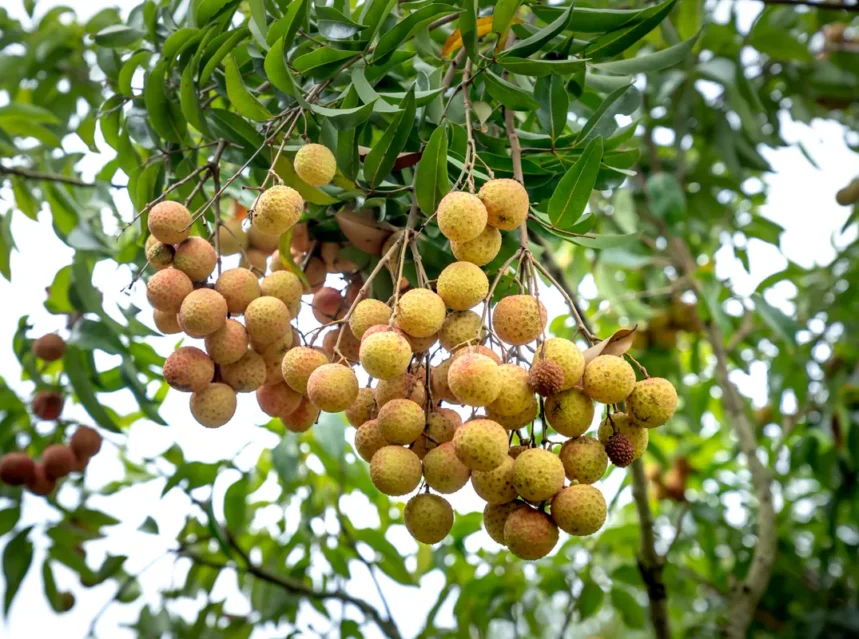
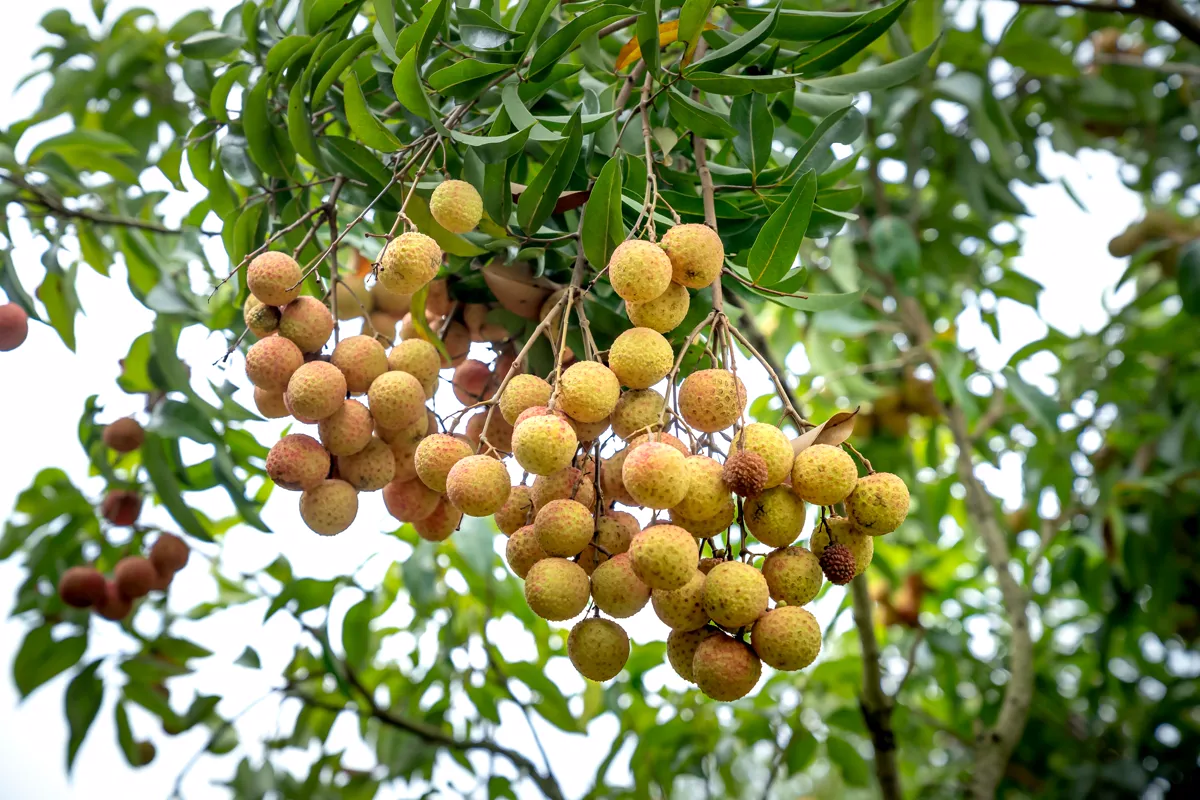
Longan (Dimocarpus longan) is a subtropical evergreen tree grown for its round, tan-skinned fruit with sweet, translucent, juicy flesh and a dark seed — earning it the name “dragon eye”. A close relative of the lychee and rambutan, the longan is hardier and more drought-tolerant than either, making it one of the easier members of the family for warm gardens. It is a handsome, productive tree for subtropical growers. Here is the complete guide on how to grow longan.
Quick start: Grow longan in a warm subtropical, frost-free or near-frost-free climate, in full sun and deep, free-draining soil. Choose a grafted tree for earlier, reliable fruit. Water regularly while establishing and fruiting, feed in the growing season, and shelter from hard frost and strong wind. The fruit ripens tan-brown in late summer — pick whole clusters when fully coloured and eat fresh.
Subtropical-fruit growers regard the longan as a more forgiving cousin of the lychee — a little hardier, more drought-tolerant, and less fussy about soil. Enthusiasts in tropical-fruit growing communities recommend grafted trees over seedlings, which are slow and variable, and note that longan tends to crop in heavy “on” years followed by lighter ones. They also point out that, like lychee, it appreciates a cool, dry spell in winter to trigger good flowering, and steady moisture once the fruit is setting. Container growers in cooler areas keep it under glass.
🧰 In a hurry? Jump straight to our tested picks for this guide ↓
Longan at a glance
| Feature | Detail |
|---|---|
| Botanical name | Dimocarpus longan; family Sapindaceae |
| Other names | Dragon eye, longyan, lungan |
| Plant type | Subtropical evergreen fruit tree |
| Height | 9–12 m in ground; smaller grafted/pruned |
| Sun | Full sun |
| Soil | Deep, free-draining; tolerates a range of soils |
| Climate | Warm subtropical; hardier than lychee (zones 9–11) |
| Time to crop | Grafted 3–5 years; seedlings 6+ years |
| Harvest | Late summer, when skin turns tan-brown |
Why grow longan?
The longan is a great choice for warm-climate gardeners who want a lychee-style fruit with a little less fuss. The round fruit, a bit smaller than a lychee, has thin tan skin you crack to reveal sweet, translucent, musky-sweet flesh around a single shiny black seed — the dark “eye” that gives the dragon-eye name.
It is also more hardy and drought-tolerant than the lychee, coping with a wider range of conditions, and a mature tree can crop heavily. Evergreen and shapely, it doubles as a shade and ornamental tree. For subtropical growers it sits naturally alongside its relatives the lychee and rambutan.
History, origin & spread
Longan is native to southern China and Southeast Asia, where it has been cultivated for well over a thousand years, long valued alongside the lychee. Its Chinese name lóngyǎn translates as “dragon eye”, describing the seed showing through the translucent flesh (the background on the longan records this history).
From China the longan spread across tropical and subtropical Asia and, later, to other warm regions of the world through trade and cultivation, including parts of the Americas and Australia.
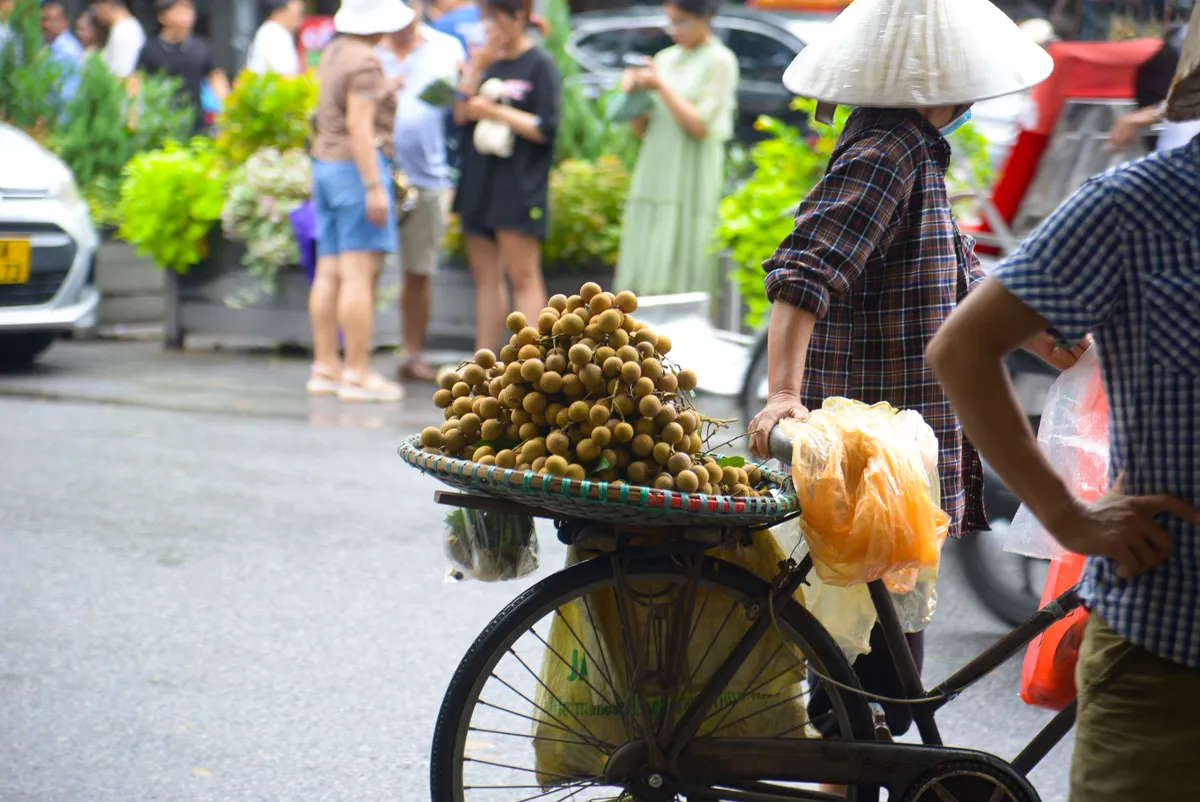
Today the major producers are China, Thailand, Vietnam, and Taiwan, with growing plantings in the United States (Florida) and elsewhere. In India, longan is grown in suitable warm regions, often where lychee is cultivated, as a related and complementary crop. The fruit is hugely popular fresh, dried, and canned across East and Southeast Asia.
Best climate & when to plant
Longan is a warm subtropical tree, hardier than lychee but still frost-sensitive, especially when young. It grows best with warm, humid summers and a cooler, drier winter spell, which helps trigger flowering. Mature trees tolerate brief light frost; young trees need protection.
Plant in spring once frost has passed, so the tree establishes through the warm season. It suits warm subtropical regions — parts of the US (Florida, warm California), southern China, Southeast Asia, and warmer regions of India. In cooler or arid climates it can only be grown in a large pot under glass. A grafted tree of a named variety crops sooner and more reliably than a seedling.
How to grow longan: planting step by step
Longan is fairly straightforward to plant in a suitable climate:
- Choose a warm, sunny, sheltered site with deep, free-draining soil, away from frost pockets and strong wind.
- Give the tree plenty of room to develop its spreading canopy.
- Plant a grafted sapling at the same depth it grew in the nursery, handling roots gently.
- Water in well, stake against wind, and shelter young trees from cold and harsh sun.
- Mulch generously to keep roots cool and moist, keeping mulch off the trunk.
Longan tolerates a range of soils better than lychee but still dislikes waterlogging. Seedlings are slow and variable, so a grafted, known-fruiting tree is the better investment.
Sun, soil, watering & feeding
Give longan full sun for the heaviest crops and best flavour. It accepts a range of free-draining soils, from sandy to loamy, and is more drought-tolerant than lychee once established — but good cropping still needs steady moisture, especially as fruit develops.
Water regularly while the tree is establishing and during flowering and fruiting (see how often to water plants), easing back in the cooler, drier winter rest that encourages flowering. Feed through the growing season with a balanced fertiliser, with extra potassium as fruit sets. Mulch well to conserve moisture and feed the surface roots, and keep the base weed-free.
Flowering & growing in pots
Longan flowers in spring, carrying large sprays of small pale flowers that are insect-pollinated, so bees and other pollinators improve fruit set. A cool, dry winter spell helps trigger reliable flowering; in very mild or wet winters, flowering and cropping can be erratic, and longan is known for alternating heavier and lighter years.
In climates too cool for outdoor growing, longan can be grown in a large container kept frost-free and bright, ideally in a warm greenhouse or conservatory. Use a deep, free-draining acidic-to-neutral mix, water steadily, keep it warm, and prune to maintain a manageable size. Cropping in a pot is modest and uncertain, but the glossy evergreen foliage makes it an attractive specimen regardless.
Harvesting & eating longan
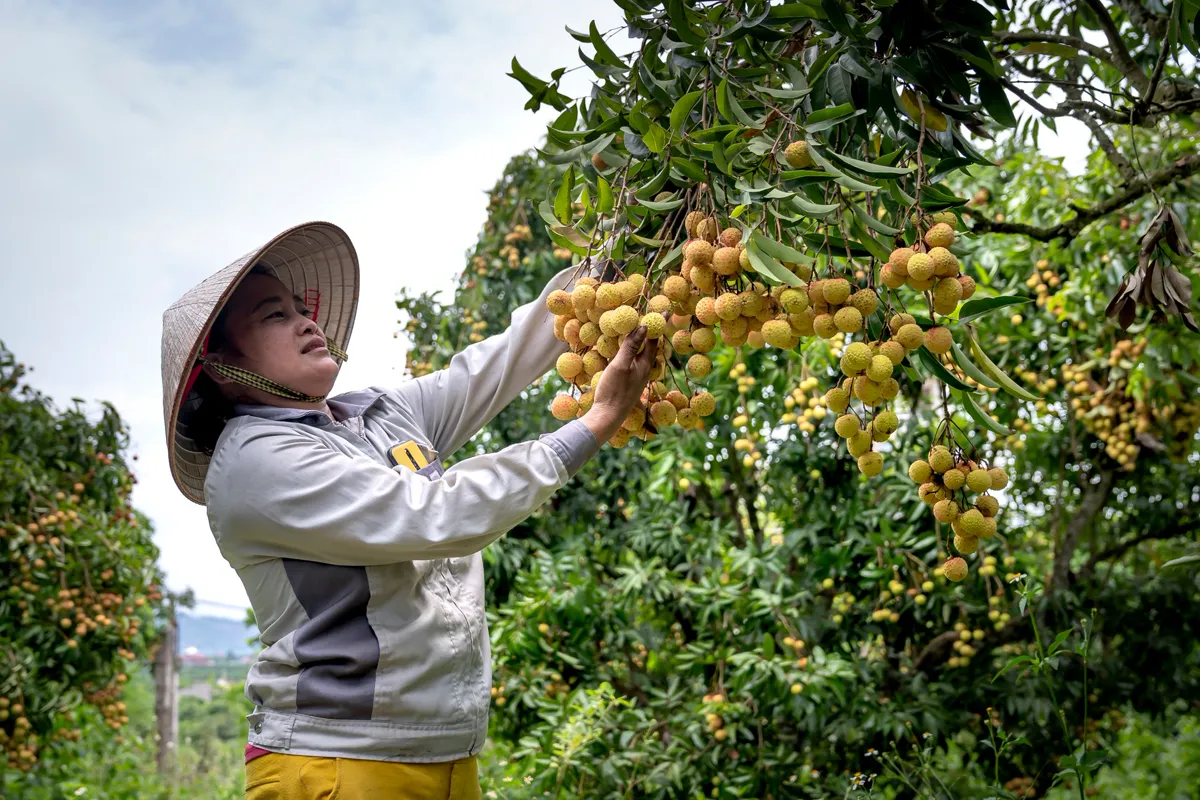
Longan ripens in late summer, the skin turning a smooth tan-brown. Like its relatives, it does not ripen further once picked, so harvest only when fully coloured and sweet. Cut whole clusters with secateurs rather than pulling individual fruit, which can tear the skin.
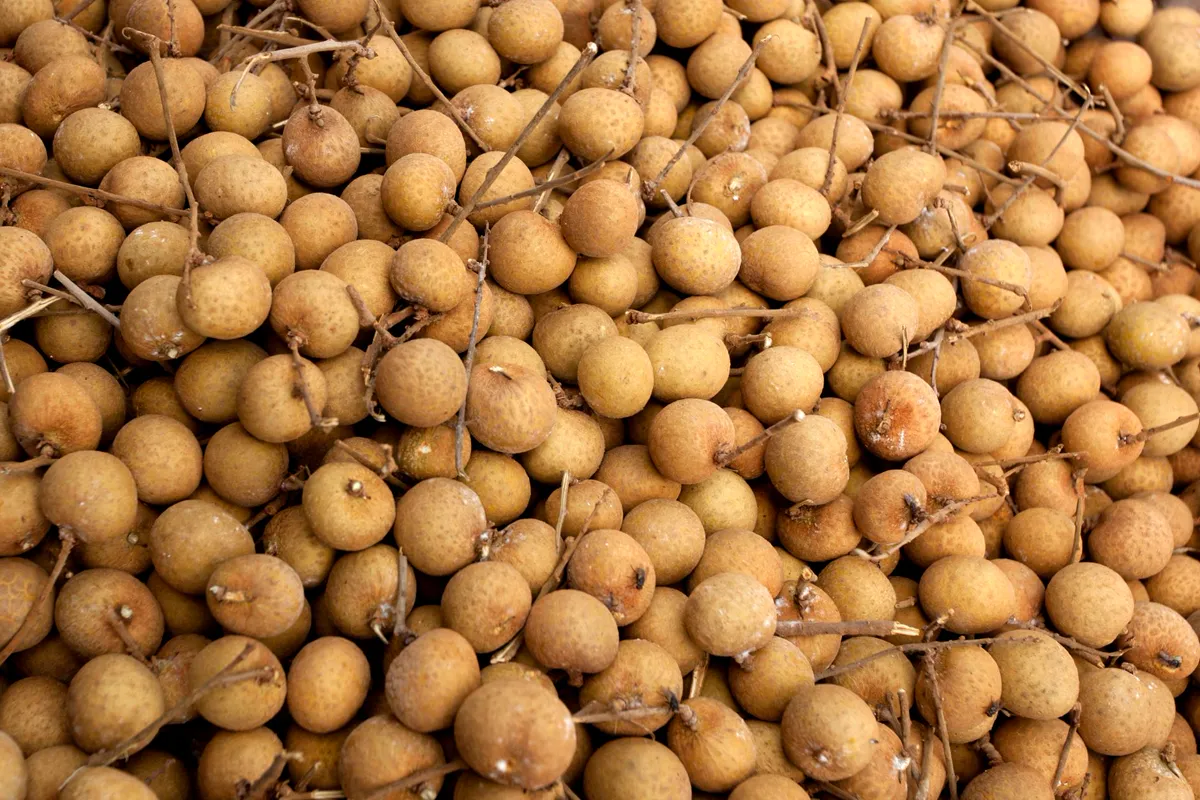
To eat, crack the thin, brittle skin with a thumbnail and pop out the translucent, juicy flesh; eat around the single dark seed, which is not eaten. The flavour is sweet and distinctively musky-floral, best enjoyed fresh and chilled. Longan is also widely dried (becoming dark and chewy, used in soups and teas) and canned in syrup, so a heavy crop can be preserved as well as eaten fresh.
Common pests & diseases
In producing regions, fruit flies, stink bugs, mealybugs, scale, and various caterpillars attack the fruit and foliage, while birds and bats take ripe fruit. A serious mite-spread problem in some areas is longan witches’ broom, causing distorted, broomy growth. Bagging clusters and good orchard hygiene reduce losses.
Diseases are mostly fungal in humid conditions — anthracnose, leaf spots, and root rot in poorly drained soil. Good airflow, sharp drainage, careful watering, and prompt removal of affected material keep most problems manageable. A healthy, well-sited longan is generally robust once established.
Health benefits & uses
Longan flesh is a sweet, juicy fruit valued as a source of vitamin C and antioxidants, with a high water content. Eaten fresh as part of a balanced diet, it is a wholesome treat, though it is everyday fruit rather than a medicine. In traditional Chinese food culture, dried longan has long been used in tonics and soups, but these are culinary and traditional uses rather than proven medical treatments.
In the kitchen, longan is eaten fresh, dried for use in soups, desserts, and teas, canned in syrup, and added to fruit salads and drinks. The dried fruit (sometimes called “dragon eyes”) is a popular ingredient across East and Southeast Asia. Enjoy the sweet flesh and discard the seed and skin.
Medical disclaimer: this information is general and for educational purposes only — it is not medical advice. Consult a qualified healthcare professional before using any plant for health purposes.
Common longan problems
Flowers but little fruit
Often a mild or wet winter that disrupted flowering, poor pollination, or the tree’s natural alternate-bearing habit. Encourage a cool, dry winter rest, ensure pollinators are active, and feed and water steadily through fruiting.
Tree damaged by cold
Young longans are frost-sensitive. Plant in a warm, sheltered spot, protect young trees over winter, and avoid frost pockets; mature trees tolerate only brief, light frost.
Distorted, broomy shoots
Possibly longan witches’ broom, a mite-associated disorder. Prune out and destroy affected growth, control mites, and source clean, healthy planting material.
Fruit splitting or dropping
Usually irregular watering — heavy rain or watering after drought. Keep soil moisture as even as possible, especially as the fruit matures, and mulch to buffer the roots.
Related plant guides
- How to grow lychee
- How to grow rambutan
- How to grow mango
- How to grow guava
- How often to water plants
- How to deal with root rot
How to propagate longan
For fruit, the honest answer is that you buy a grafted or air-layered tree of a named variety rather than raising your own. Seed is easy and fun, but it is a long lottery: seedlings take six years or more to crop and rarely match the parent for size or sweetness.
Grafted and air-layered plants
Commercial longan is almost always propagated vegetatively, usually by air layering or grafting onto a seedling rootstock, which is why nursery trees of varieties such as ‘Kohala’ or ‘Biew Kiew’ fruit in about three to five years and crop predictably. If you want fruit in a reasonable time, this is the route — including in India, where growers in West Bengal, Bihar, Assam and the warm Western Ghats plant grafted material rather than seed.
From seed
Fresh seed germinates readily, usually within a week or two, but it must be sown fresh: the seed dries out and dies quickly, so take it straight from the fruit, wash off the flesh and sow immediately in a warm, free-draining mix about 2 cm deep. Grow the seedlings on in deep pots and keep them frost-free, as young longan is much more cold-sensitive than a mature tree. A seedling still makes a handsome evergreen shade tree if you are not counting on the crop.
Frequently asked questions
Is longan the same as lychee?
No, but they are close relatives in the same family. Longan is smaller with smooth tan skin and a musky-sweet flavour, while lychee is larger with bumpy pink-red skin and a more floral taste. Longan is generally hardier and more drought-tolerant than lychee.
How long does a longan tree take to fruit?
A grafted longan usually starts cropping in about three to five years, while seed-grown trees take longer — six years or more — and vary in quality. A grafted named variety is the reliable choice.
Why is longan called dragon eye?
The name comes from the Chinese lóngyǎn, meaning “dragon eye”: when peeled, the translucent white flesh with the dark seed showing through looks like an eye. The dried fruit is also sometimes called “dragon eyes”.
Can you grow longan in a pot?
In cool climates it can be grown in a large container kept frost-free and bright, ideally under glass, but cropping is modest and uncertain. In warm subtropical regions it is far more productive grown in the ground.
Why is my longan tree not flowering?
Longan needs a spell of cool, dry weather in winter to set flower buds, and in warm, wet or heavily irrigated conditions the tree simply keeps producing leaf flushes instead. A tree that is growing strongly and being fed plenty of nitrogen is especially likely to stay vegetative. Commercial orchards in Thailand, Taiwan and China get around this by applying potassium chlorate to the soil, a technique documented in horticultural research since the late 1990s, which reliably forces off-season flowering. Home growers are better off easing back on nitrogen, letting the tree dry out somewhat in winter, and being patient — longan is also naturally prone to alternate bearing, with a heavy year followed by a light one.
How tall does a longan tree get, and can it be kept smaller?
Left alone, a seedling longan can reach 10 to 12 metres or more with a broad, dense canopy. That is far more tree than most gardens want, so growers keep them at three to five metres by heading back the leader early and pruning right after each harvest, which is when the tree tolerates cutting best. Pruning at harvest time is convenient because the fruiting shoots are removed with the crop anyway. A pruned tree is also much easier to net against fruit bats and birds, which take a heavy toll on ripe longan.
Can you grow longan from seed?
Yes, and the fresh seed sprouts readily, usually within a week or two, but it must be sown fresh because it dries out and dies quickly. The problem is the wait and the lottery: seedlings can take six or more years to fruit and rarely match the parent for fruit size or sweetness. A grafted or air-layered plant of a named variety such as ‘Kohala’ or ‘Biew Kiew’ fruits sooner and predictably. Seed-raised longan still makes a handsome evergreen shade tree if you are not counting on the fruit.
Can longan be grown in India?
Yes, in the warm humid subtropics — it performs much like litchi and is grown on a small scale in parts of West Bengal, Bihar, Assam, Tripura and the Western Ghats, as well as in coastal Karnataka and Kerala. It is a little more tolerant of heat and drought than litchi, but it still needs a distinct cool dry winter to flower well, so the hot dry plains and the far south often give leaves without fruit. Plant grafted material rather than seed, give it deep, well-drained loam and shelter from hot dry winds. Anyone already growing litchi successfully has the right climate for longan.
When is longan season and how do you tell when it is ripe?
In the northern hemisphere the main crop ripens roughly from July to September, a few weeks after litchi finishes. Ripe fruit has smooth tan to light brown skin, feels firm rather than hard, and tastes sweet — like litchi it does not sweeten after picking, so sample one before harvesting a whole panicle. Fruit is usually cut in whole clusters with a short length of stem attached, which keeps it fresh longer. If the skin has begun to crack or the fruit smells fermented, it is past its best.
How do you store longan and how long does it keep?
Kept in a perforated bag in the refrigerator, fresh longan holds for around one to two weeks, considerably better than litchi manages. At room temperature the skin browns and hardens within a few days, though the flesh may still be fine underneath. For longer keeping, the flesh can be frozen in its shell or dried — dried longan, sold as long yan rou, is a traditional store-cupboard ingredient in Chinese cooking and keeps for many months. Avoid washing the fruit before storing, as surface moisture speeds up mould.
Is longan good for you?
Fresh longan is low in fat and provides vitamin C along with small amounts of potassium and other minerals, and like most fresh fruit it is a sensible thing to eat in normal quantities. Dried longan has a long history of use in traditional Chinese medicine, and some studies suggest the fruit contains polyphenol compounds with antioxidant activity in laboratory settings, but that is a long way from proven health effects in people. Dried longan is also very concentrated in sugar, so it is a sweet treat rather than a health food. This is general information only and not medical advice — consult a qualified professional for dietary or health concerns.
Still stuck? Ask the Plant Doctor
Describe the problem — yellow leaves, holes, no flowers — and get a clear answer in seconds. FreeAI can make mistakes. Answers are guidance, not a guarantee — check anything important against the guide it links to, and always read the label on any product before you use it.