How to Grow Phalsa (Sherbet Berry)
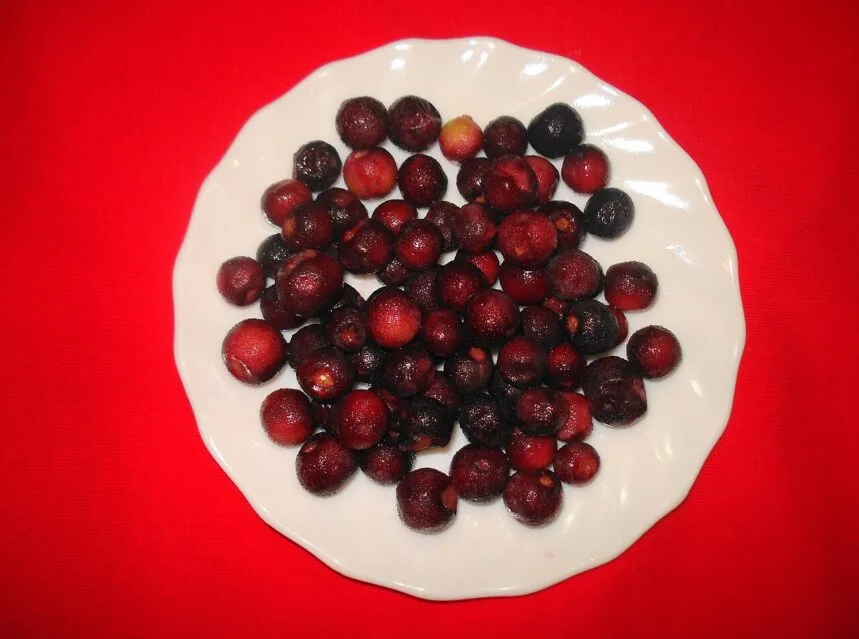
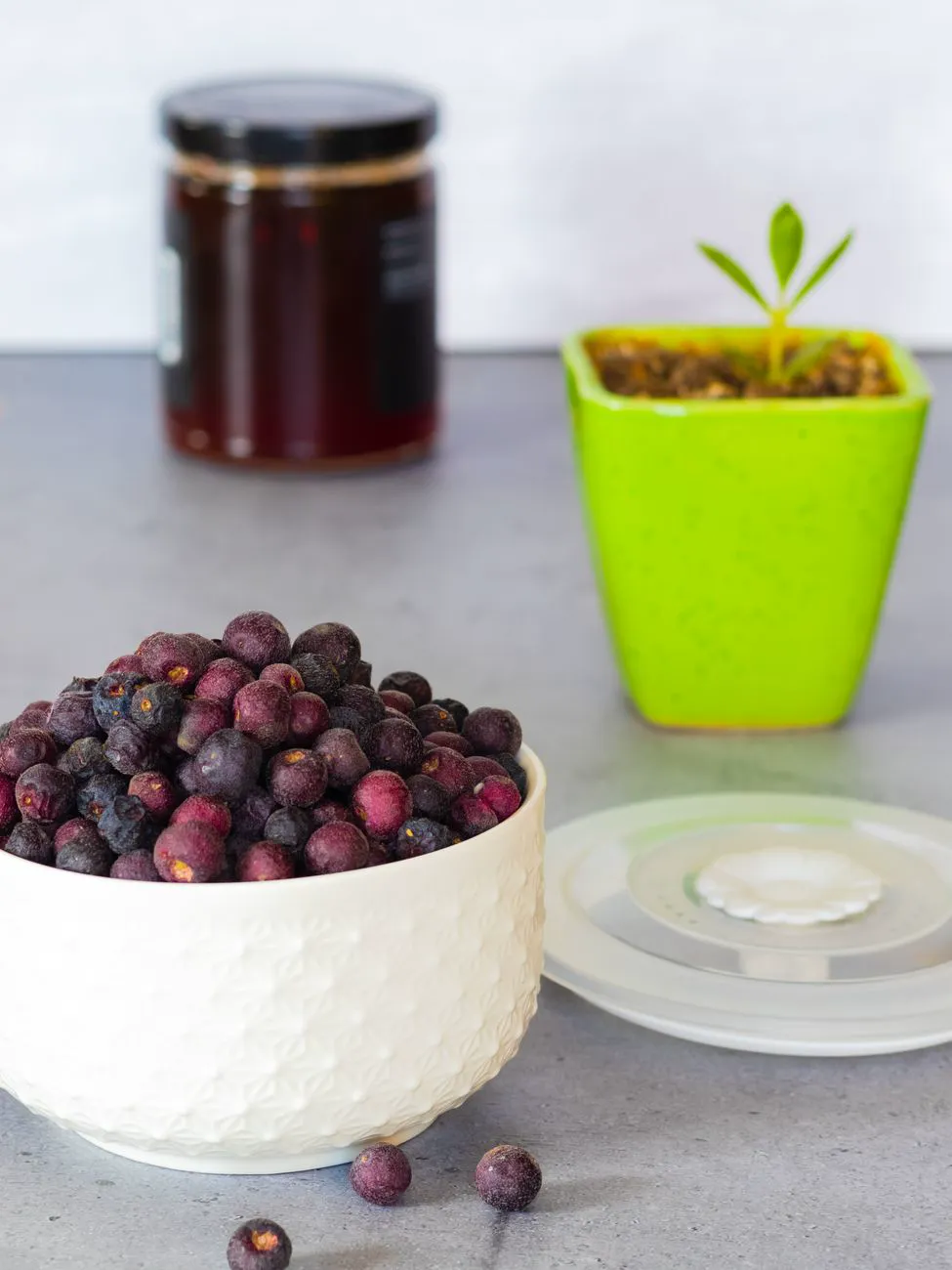
Phalsa (Grewia asiatica), also spelt falsa and known as the sherbet berry, is a fast, hardy shrub grown for its tiny, deep-purple, sweet-tart summer berries — a much-loved Indian summer fruit. The berries have a uniquely refreshing, slightly astringent flavour that makes the most cooling sherbet imaginable. The shrub crops within a couple of years, making it perfect for impatient gardeners in warm climates. Here is the complete guide on how to grow phalsa.
Quick start: Grow phalsa in full sun in fertile, well-drained, mildly acidic soil. It loves heat for ripening and is hardy in zones 9b–11. Water moderately, feed with organic fertiliser, and — importantly — prune hard each dormant season to 3–4 feet, as it fruits on new wood. The tiny purple berries ripen in early summer.
Phalsa is a tough, hardy shrub grown for its small, tart purple berries, most famous for the refreshing summer drink made from them. Growers value it as one of the most heat- and drought-tolerant fruiting plants, thriving where little else will. The key to good crops is a hard annual prune, as it fruits on new growth, so cutting it back encourages vigorous fruiting wood. It carries vitamin C and iron and is valued in traditional medicine as a summer coolant; FoodData Central has no row for Grewia asiatica, so figures quoted for it come from Indian food-composition work rather than from a reference table. For any medicinal use, consult a professional.
🧰 In a hurry? Jump straight to our tested picks for this guide ↓
Phalsa at a glance
| Feature | Detail |
|---|---|
| Botanical name | Grewia asiatica (family Malvaceae) |
| Common names | Phalsa, falsa, sherbet berry |
| Plant type | Fast hardy fruiting shrub |
| Sun | Full sun, with heat to ripen |
| Soil | Fertile, well-drained, mildly acidic |
| Key job | Hard prune to 3–4 ft each dormant season |
| Fruits on | New wood |
| First fruit | 2–3 years (faster from cuttings) |
Why grow phalsa?
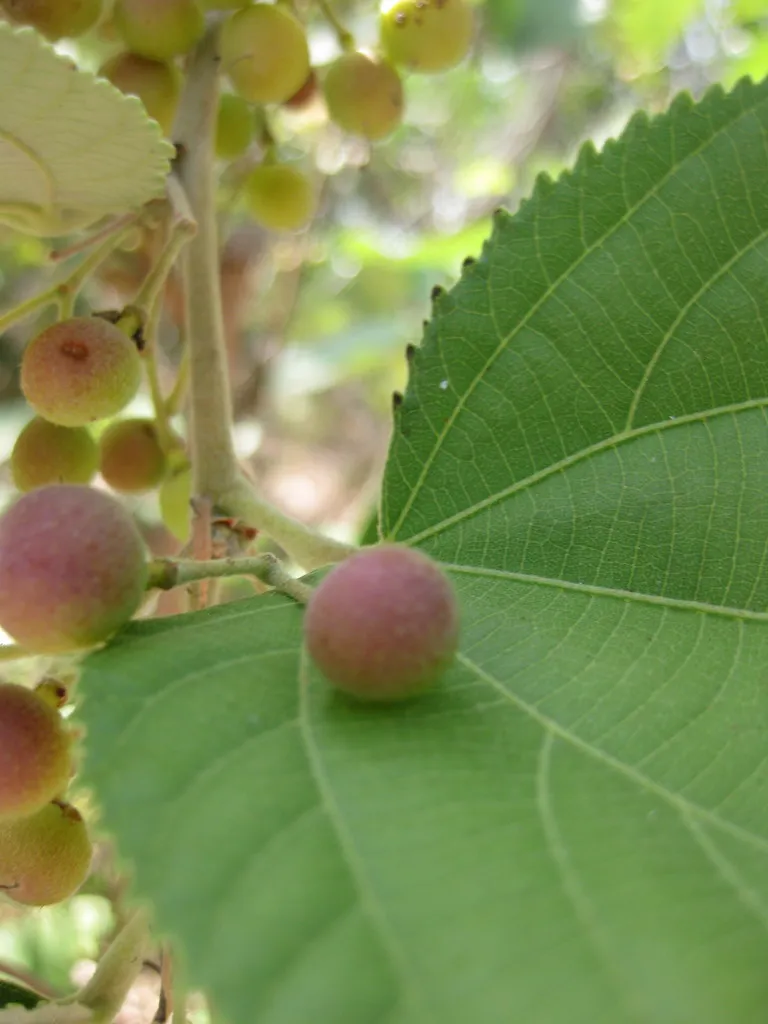
Phalsa gives a delicious, refreshing summer berry rarely sold fresh outside India. A few reasons to grow it:
- Unbuyable fruit. It is too perishable to ship, so homegrown is the only way.
- Fast and hardy. A quick-cropping shrub that is drought- and heat-tolerant.
- Manageable. Hard pruning keeps it compact, even ornamental.
- Cooling and nutritious. The berries are prized for summer sherbets, and carry vitamin C, iron and anthocyanins.
History, origin & phalsa in India
Phalsa is native to the Indian subcontinent and Southeast Asia, where it has grown for centuries (see Encyclopaedia Britannica). It is deeply tied to the Indian summer. The berries appear in markets just as the heat peaks.
Traditionally it is valued as a cooling fruit, eaten to beat the summer heat. It also features in Ayurvedic and folk medicine. Its short, intense season makes it a seasonal treat people look forward to.
India is the main grower, where its berries are a summer-market staple. The crop is almost unknown outside the Indian subcontinent, and FAO’s crop statistics have no phalsa item, so no official tonnage is published for it anywhere. It is a warm-climate plant, hardy in USDA zones 9b–11. Young plants need protection below freezing, though established shrubs tolerate a light frost. It needs heat and full sun to ripen and sweeten the fruit.
Best season & when to plant
Plant phalsa in spring, as the warm season begins. It flowers in spring on new growth, and the berries ripen in early to mid summer, over a short, intense season. It begins fruiting within just 2–3 years (faster from cuttings), making it one of the quickest fruit plants to reward you.
How to plant, grow and propagate phalsa
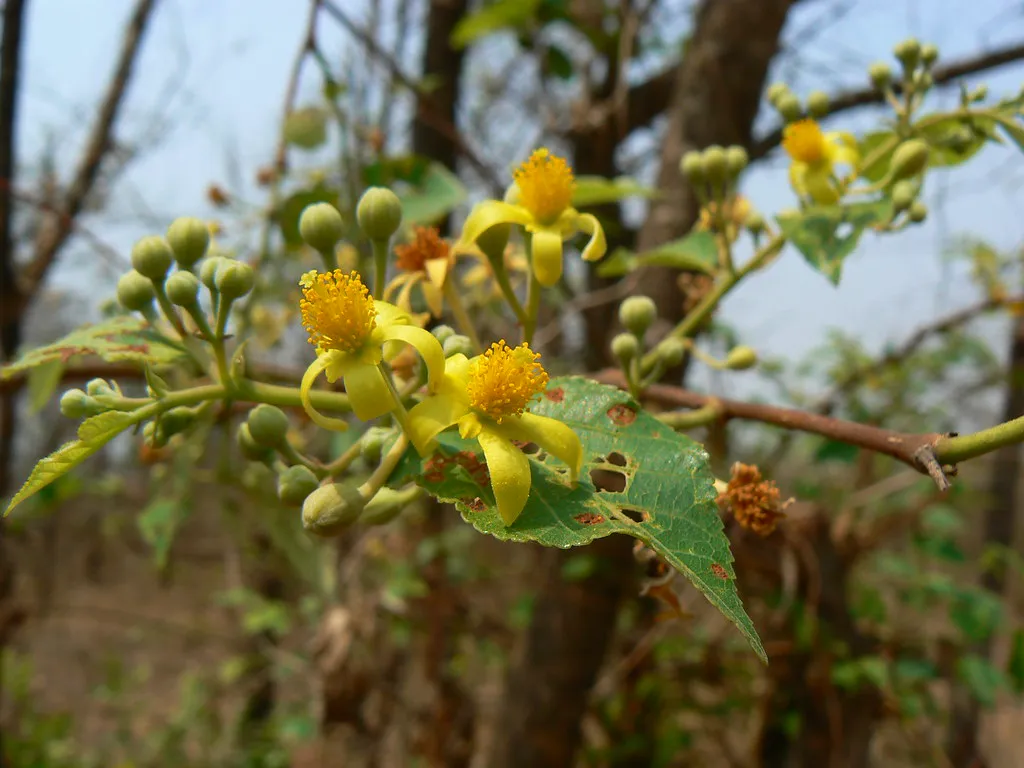
- Grow from cuttings (the preferred method — uniform and faster to fruit) or seed.
- Plant in full sun in fertile, well-drained soil with good organic content, mildly acidic (pH about 6.1–6.5); see improving garden soil.
- Space plants about 6 feet apart when growing for fruit; it suits the back of a sunny border or a large container.
Sun, soil, watering & feeding
Phalsa needs full sun and heat for good fruit. Water moderately — keep it moist during flowering and fruiting but avoid waterlogging (see how often to water plants); it is fairly drought-tolerant otherwise. Feed with an organic fertiliser every other month in the growing season, avoiding harsh chemical feeds.
The key job: hard pruning
This is essential with phalsa: it flowers and fruits on new wood, so prune it hard each dormant season, cutting back to about 3–4 feet. This stimulates vigorous new growth and dramatically increases fruiting — neglecting it leads to a sprawling shrub with a poor crop. Hard annual pruning also keeps the plant compact and easy to harvest.
Making phalsa sherbet
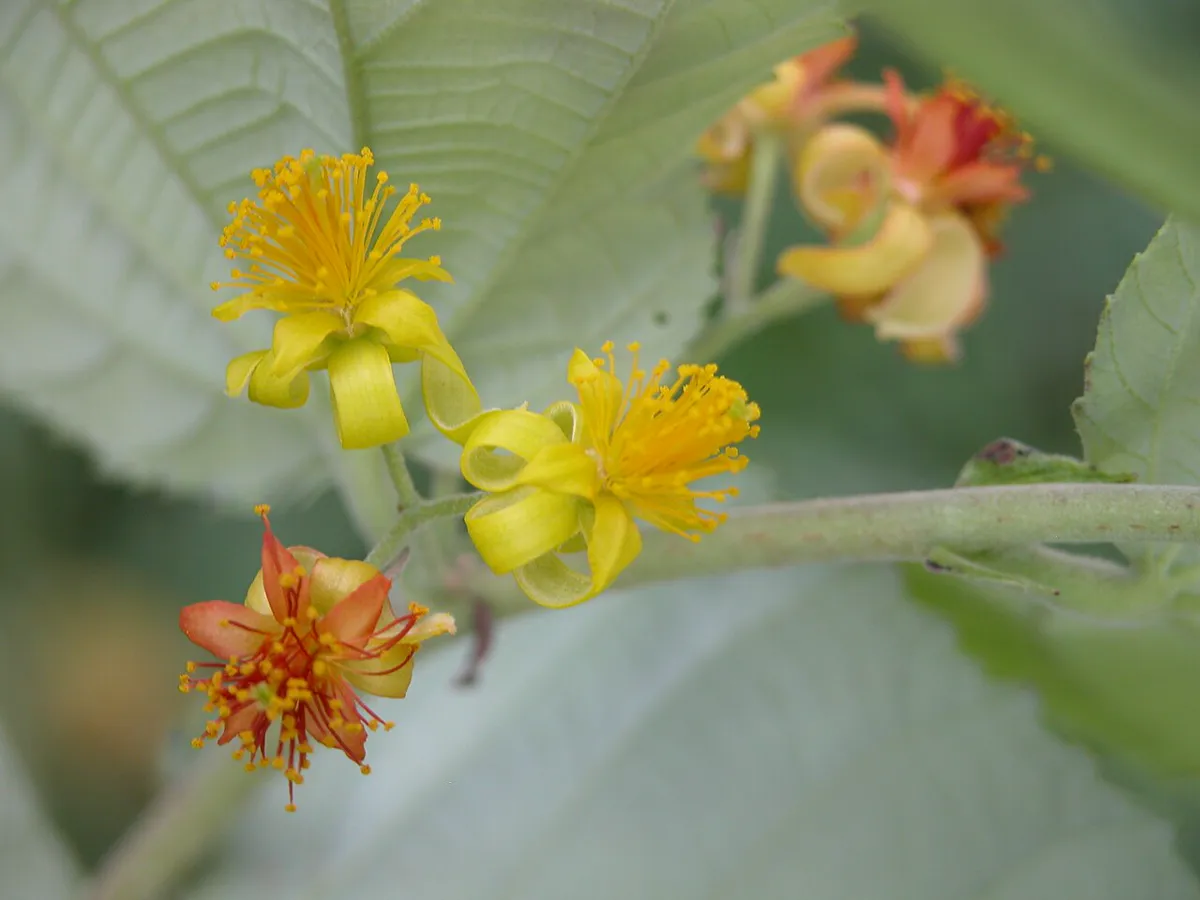
The famous use of phalsa is its cooling sherbet. It is the classic Indian summer drink. The recipe is wonderfully simple.
Blend the ripe purple berries with water and sugar. A pinch of salt and black pepper lifts it beautifully. Strain out the seeds, then chill it over ice.
The result is a tangy, refreshing purple drink. It is the perfect antidote to a heatwave. The berries are also eaten fresh with a sprinkle of salt, or made into jams and squashes.
Phalsa in a hot-climate garden
Phalsa is a gift for the hot, dry garden. It thrives in heat that flattens softer fruit. So it fits naturally with other tough, warm-climate plants.
Grow it alongside hardy fruit like ber and guava for a productive summer corner. All three love full sun and cope with dry spells. Together they crop across the warm season.
Its manageable, hard-pruned size makes it easy to place. Plant it at the back of a sunny border or in a large pot. A light mulch helps young plants settle in.
Common pests & diseases
Phalsa is robust and largely trouble-free. Watch for the occasional fruit fly, aphids, mealybugs, or fungal leaf spot in humid weather (see aphid control). Good airflow from hard pruning, plus the methods in our organic pest control guide, keep it healthy. Birds enjoy the ripe berries too.
Harvesting
Phalsa berries ripen unevenly over a few weeks and must be picked daily as they colour up — pick when they turn deep purple-black and taste sweet-tart (unripe red berries are sharp). They are very perishable, so use them within a day or two. They are usually blended with sugar and water, and sometimes salt, into the famous phalsa sherbet.
Health benefits & uses
Phalsa is commonly reported to carry vitamin C, anthocyanins, iron and fibre — worth saying plainly that the USDA nutrient database has no entry for this fruit, so published figures come from regional food-composition work rather than from FDC. In Indian tradition it is treated as a cooling summer fruit. It is mostly made into sherbet, squash and drinks, eaten fresh with a sprinkle of salt, or used in jams and desserts. It is valued in traditional medicine for digestion and as a summer coolant.
This article is for general information only and is not medical advice. Talk to a qualified professional before using any plant medicinally.
Common phalsa problems
Poor crop or few berries
Not pruned hard. It fruits on new wood — cut it back to 3–4 feet each dormant season.
Sour, sharp berries
Picked unripe. Harvest only deep-purple, sweet-tart berries, picking daily.
Cold damage to young plants
Young phalsa is frost-tender. Protect it below freezing until established.
Related plant guides
- How to grow Karonda
- How to grow Jamun
- How to grow Ber
- How to grow Bael
- How to grow Guava
- How to grow Amla
Frequently asked questions
How soon does phalsa fruit?
Quickly — usually within 2–3 years (faster from cuttings), making it one of the speediest fruiting plants.
Why should I prune phalsa hard?
It flowers and fruits on new wood, so hard dormant-season pruning to 3–4 feet greatly boosts the crop.
What is phalsa used for?
Mostly for refreshing sherbet and drinks, plus eating fresh and making jams — it is a prized summer coolant.
Can I grow phalsa in a pot?
Yes — its manageable size and hard pruning suit a large container in a warm, sunny spot.
Why are my phalsa berries so small?
Small berries are normal for this fruit, which is naturally tiny. Good sun, water and hard pruning give the best size and sweetness.
When do phalsa berries ripen?
In early to mid summer, over a short, intense season. They ripen unevenly, so pick daily. Harvest only the deep purple-black, sweet-tart ones.
Is phalsa easy to grow?
Very, in a warm climate. It is hardy, drought-tolerant and quick to fruit. The one essential job is the hard yearly prune.
Can I grow phalsa from seed?
Yes, but cuttings are better. They are uniform and fruit faster. Seed-grown plants are slower and more variable.
How do I make phalsa sherbet?
Blend the ripe berries with water and sugar, then strain out the seeds. A pinch of salt and black pepper lifts it. Serve it chilled over plenty of ice.
Are phalsa berries good for you?
Yes — they carry vitamin C, iron and anthocyanin antioxidants, though no USDA reference row exists to put an exact figure on it. They are traditionally seen as cooling in the heat. This is why the sherbet is a summer favourite.
What is phalsa called in English?
There is no neat English name, which is why most seed sellers simply use “phalsa” or “falsa”. The botanical name is Grewia asiatica, and nurseries outside South Asia usually list it as sherbet berry, phalsa berry or Indian sherbet berry. Older references sometimes call it the falsa fruit or Grewia berry. If you are searching for plants abroad, try “sherbet berry” first, then the botanical name, because that is what most catalogues index it under.
How tall does a phalsa plant grow?
Left alone it behaves like a large, straggly shrub or small tree and can reach roughly 4-5 m with long, arching canes. In gardens and commercial plots it is almost never allowed to get that big, because the crop comes from new wood. Growers cut it back hard every dormant season, which keeps the bush around 1-1.5 m and much easier to pick. That yearly cut is the single biggest difference between a tidy, productive phalsa and a tangled one.
How long do phalsa berries keep after picking?
Barely any time at all, and that is exactly why you rarely see phalsa in supermarkets far from where it is grown. At normal room temperature the fruit starts losing quality within about a day, and storage trials on the fruit report shelf life measured in hours rather than weeks. Chilling stretches it to a few days, and freezing the pulp or turning it into juice or squash is the practical way to keep it longer. Plan to use or process the berries the same day you pick them.
Can a phalsa plant survive cold or frost?
It handles heat far better than cold. Phalsa is a subtropical plant that copes happily with the extreme summer temperatures of northern India and tolerates only light, brief frost once established. A hard freeze will damage or kill the top growth, though a mature plant with a good root system often re-sprouts from the base in spring — which matters less than usual here, since you were going to cut it back hard anyway. In borderline climates, grow it in a large pot you can move under cover for winter.
Still stuck? Ask the Plant Doctor
Describe the problem — yellow leaves, holes, no flowers — and get a clear answer in seconds. FreeAI can make mistakes. Answers are guidance, not a guarantee — check anything important against the guide it links to, and always read the label on any product before you use it.