How to Grow Ber
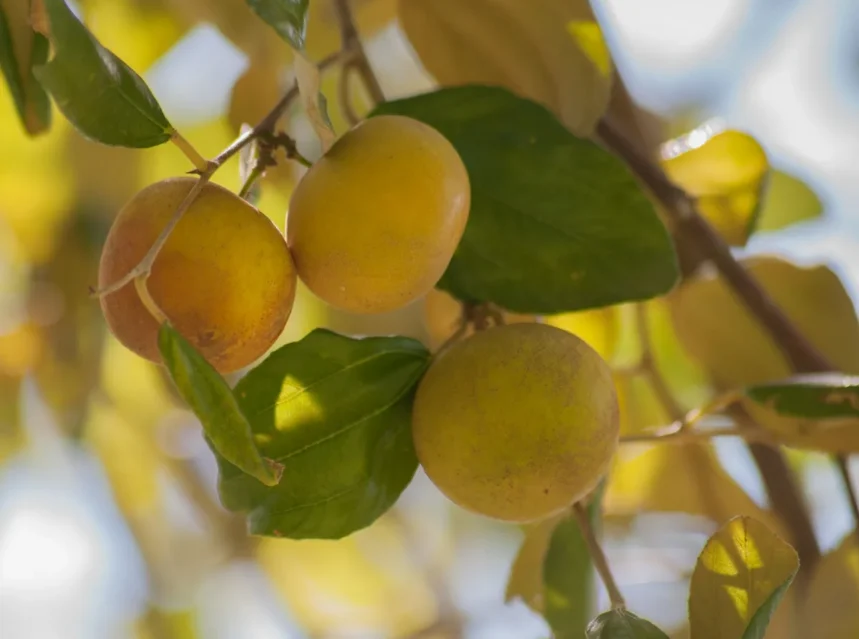
Ber (Ziziphus mauritiana), the Indian jujube or Indian plum, is a tough subtropical fruit tree grown for its small, crisp, apple-like fruits — one of the most generous trees you can grow. The fruits are sweet, slightly tangy and wonderfully refreshing, and they ripen in winter and early spring, when little else is fruiting. The tree thrives on heat, drought and poor soil. This makes it a brilliant choice for difficult, dry gardens. Here is the complete guide on how to grow ber.
Quick start: Grow ber in full sun in well-drained sandy or loamy soil. It is exceptionally drought- and heat-tolerant once established, so water young trees and then go easy. Feed lightly, prune yearly in the dormant season, and grow grafted plants for quicker fruit. The crisp fruits ripen in winter to early spring.
Ber, the Indian jujube, is one of the toughest fruit trees you can grow, cropping heavily in heat and drought that would defeat most trees. Growers note it bears sharp thorns and benefits hugely from a hard prune after fruiting, which keeps it manageable and improves the size of next year’s crop. The small fruits are crisp and tart, eaten fresh or dried. It is long valued in traditional medicine; for any medicinal use, consult a professional.
🧰 In a hurry? Jump straight to our tested picks for this guide ↓
Ber at a glance
| Feature | Detail |
|---|---|
| Botanical name | Ziziphus mauritiana (family Rhamnaceae) |
| Common names | Ber, Indian jujube, Indian plum |
| Plant type | Tough subtropical fruit tree |
| Sun | Full sun (6–8 hours) |
| Soil | Well-drained; tolerates poor ground |
| Water | Very drought-tolerant once established |
| Harvest | Winter to early spring |
| Best from | Grafted plants for quicker, sweeter fruit |
Why grow a ber tree?
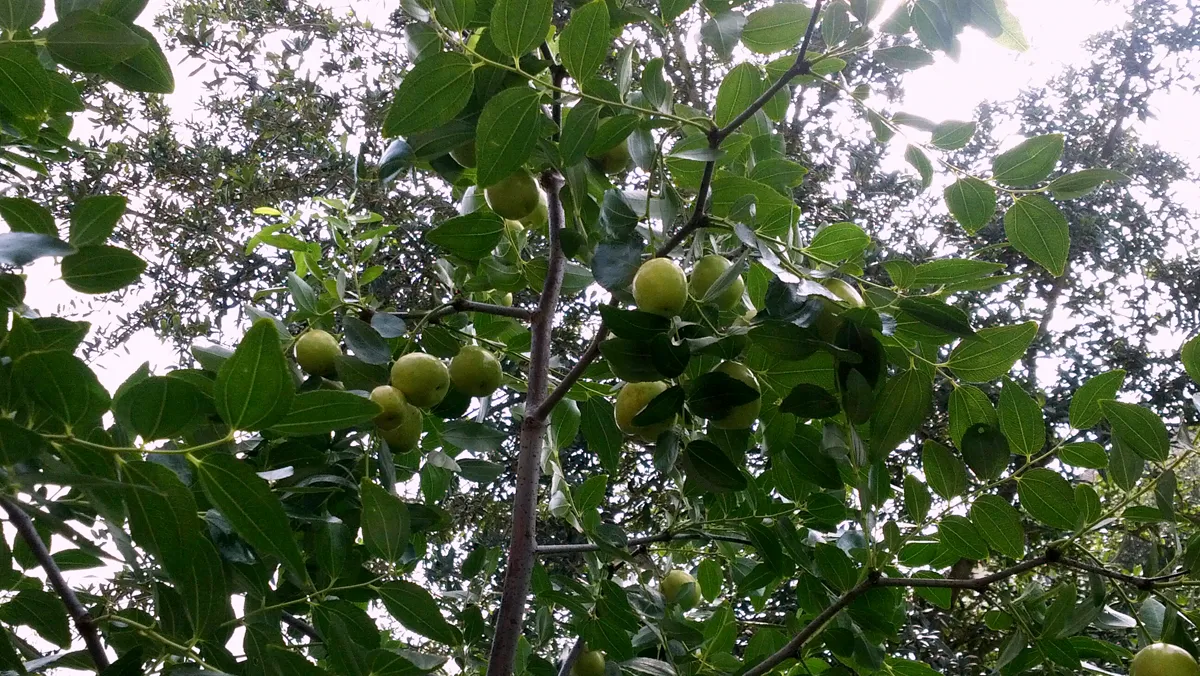
Ber gives a crisp, refreshing fruit in winter, filling a gap when most trees are bare. A few reasons to grow it:
- Off-season fruit. It crops in winter and early spring, when little else does.
- Astonishingly tough. It tolerates heat, drought, salt and poor soil.
- Fast and useful. It grows quickly and is handy for hedging and fodder too.
- Healthy. The fruit is packed with vitamin C.
History, origin & ber in India
Ber is native to South Asia, southern China, Southeast Asia and Central and West Africa, and has been cultivated in India for thousands of years (range, uses and weed status). Its toughness is structural: a fast, deep taproot lets it take drought, extreme heat and even waterlogged ground. That same toughness has a cost — where it escapes cultivation it can form dense stands, and in Fiji and parts of Australia it is treated as a serious environmental weed, so keep it contained if you garden near open country. It appears in ancient texts and traditional medicine. Few fruit trees are so deeply woven into rural Indian life.
From its South Asian home, ber spread across the warm regions of the Old World. It travelled into Africa, the Middle East and Southeast Asia. Each region grew it for fruit, shade and fodder.
India remains a major producer, and the tree is grown across Africa, the Middle East, Southeast Asia and warm parts of Australia and the US. No official world tonnage exists for ber: the FAO’s crop database has no jujube line, so the fruit is counted only inside a broad “other tropical fruits” total and the usable numbers come from Indian state horticulture data. It is a tropical-to-subtropical tree that loves heat and sun. It is best in frost-free, warm climates, where it is an easy and reliable cropper.
Best season & when to plant
Plant ber in spring or the start of the warm season, so young trees establish before winter. The tree flowers in the warm months, and the fruit ripens in winter to early spring, a valuable off-season harvest. In its preferred warm climate it is quick to settle and fruit, especially from grafted stock.
How to plant and grow ber
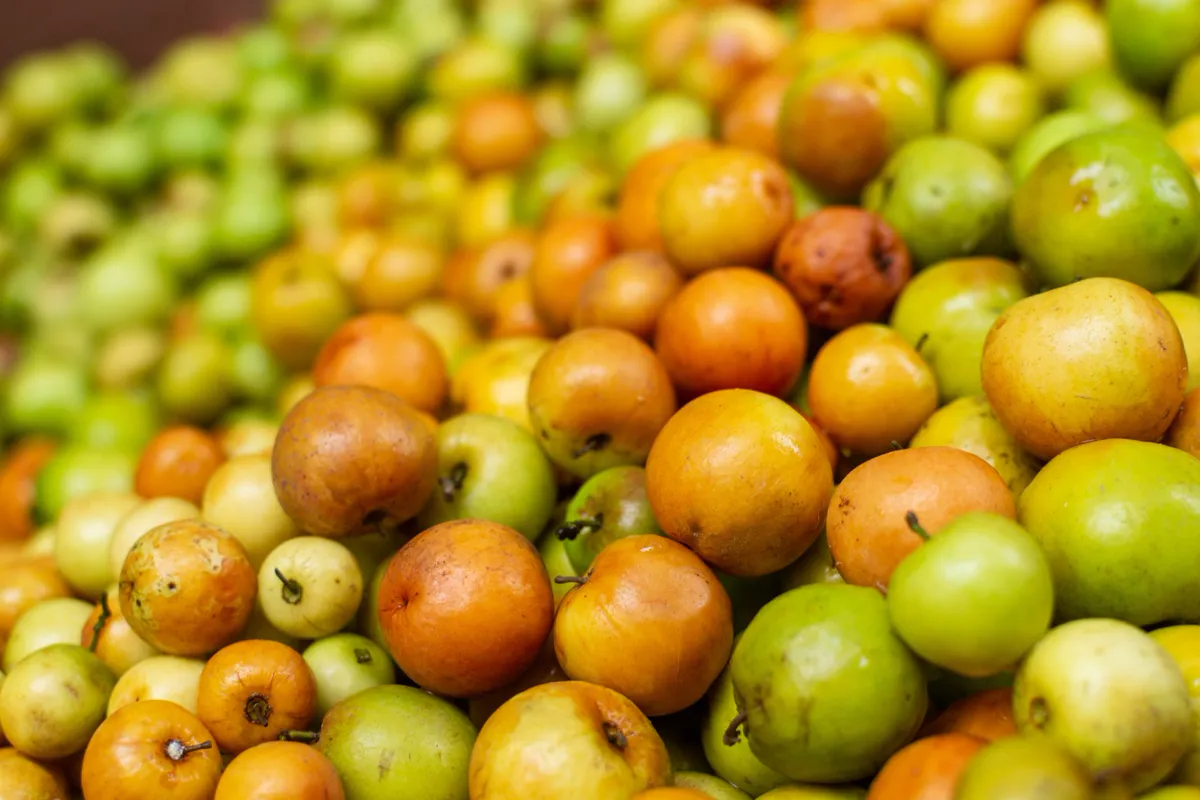
- Grow from seed, cuttings, or (best) a grafted plant of a named variety, for larger, sweeter fruit and earlier cropping.
- Choose a full-sun spot (6–8 hours) with well-drained sandy or loamy soil — it is not fussy and tolerates poor ground (see improving garden soil).
- Plant at the same depth as the rootball, firm it in, and water well to establish.
Sun, soil, watering & feeding
Ber needs full sun and good drainage to prevent root rot. Water young trees regularly through the first dry seasons, letting the soil dry between waterings. Once established it is highly drought-tolerant and needs little (see how often to water plants). Feed lightly with a balanced fertiliser in the growing season, and avoid overfeeding, which gives leafy growth at the expense of fruit.
Pruning
Ber benefits from annual pruning in the dormant season. Remove dead, diseased or crowded branches and shape the tree, which improves airflow, light and fruiting. It is a vigorous grower, so regular pruning keeps it manageable and productive. Note that many wild and rootstock types are thorny, so wear gloves.
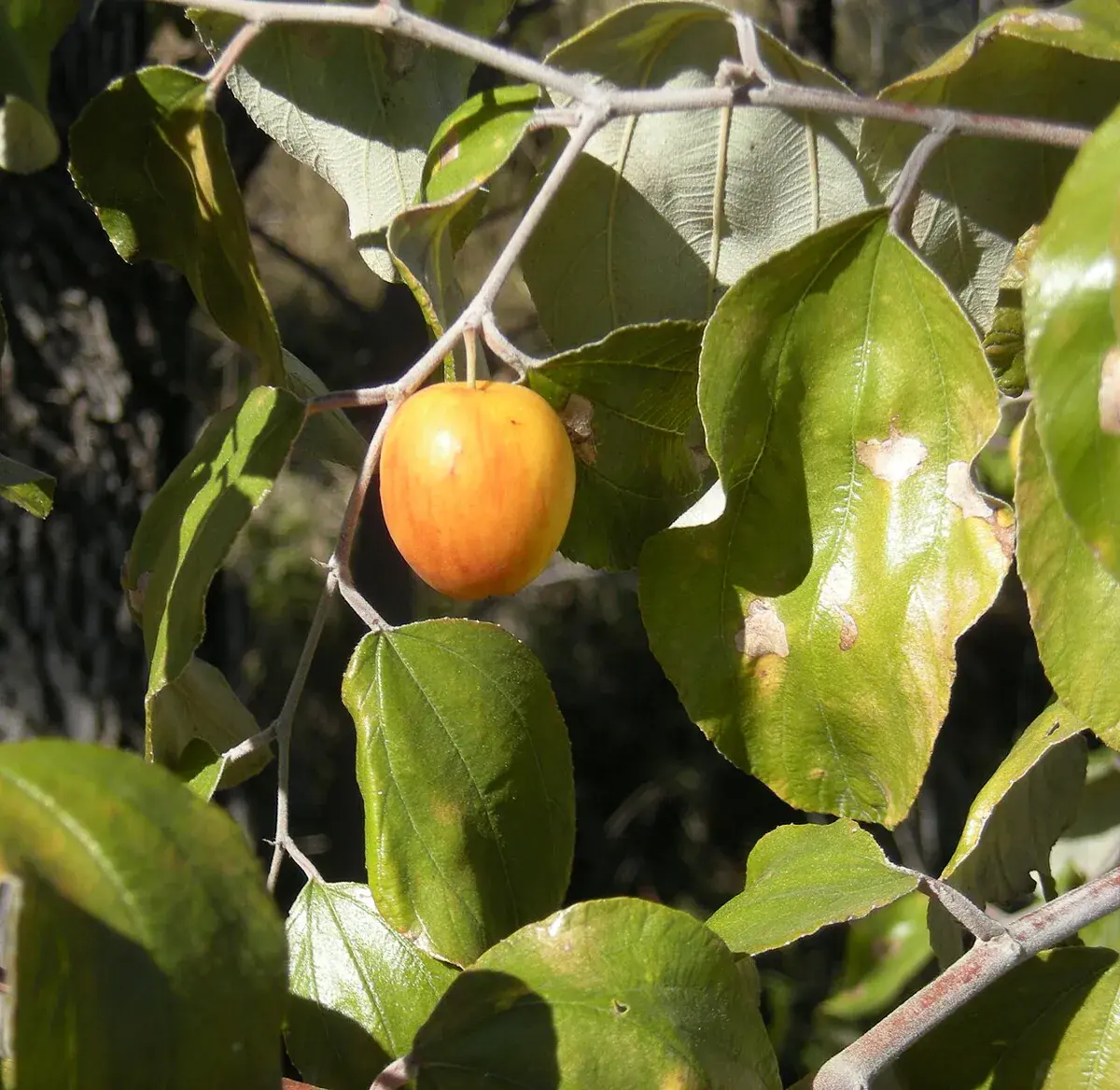
Using ber in the kitchen
Fresh ber is best eaten straight off the tree, crisp and refreshing. The taste is sweet with a gentle tang. Children especially love them by the handful.
A good crop also stores and processes well. Ripe ber can be dried like a small date. Dried, it becomes sweet and chewy.
It is also made into pickles, candy and drinks. In some regions it is preserved with salt and spice. So a single tree gives both fresh fruit and a store for later.
Ber in a dry-garden orchard
Ber is a star of the low-water garden. It thrives where thirstier fruit trees fail. So it anchors a tough, dry-climate orchard beautifully.
Pair it with other hardy fruit like guava and amla. These share its love of heat and sun. Together they crop across different seasons.
Its spring flowers also feed bees, helping you attract pollinators to the whole plot. A light mulch helps young trees establish. Once settled, ber asks for very little.
Common pests & diseases
Ber is robust, but the main pest is the fruit fly, which can spoil the crop. Use traps, bag fruit, or pick promptly. Watch also for powdery mildew, leaf-eating caterpillars, and scale (see sap-sucker control). Good airflow, annual pruning, and the methods in our organic pest control guide keep it healthy.
Harvesting
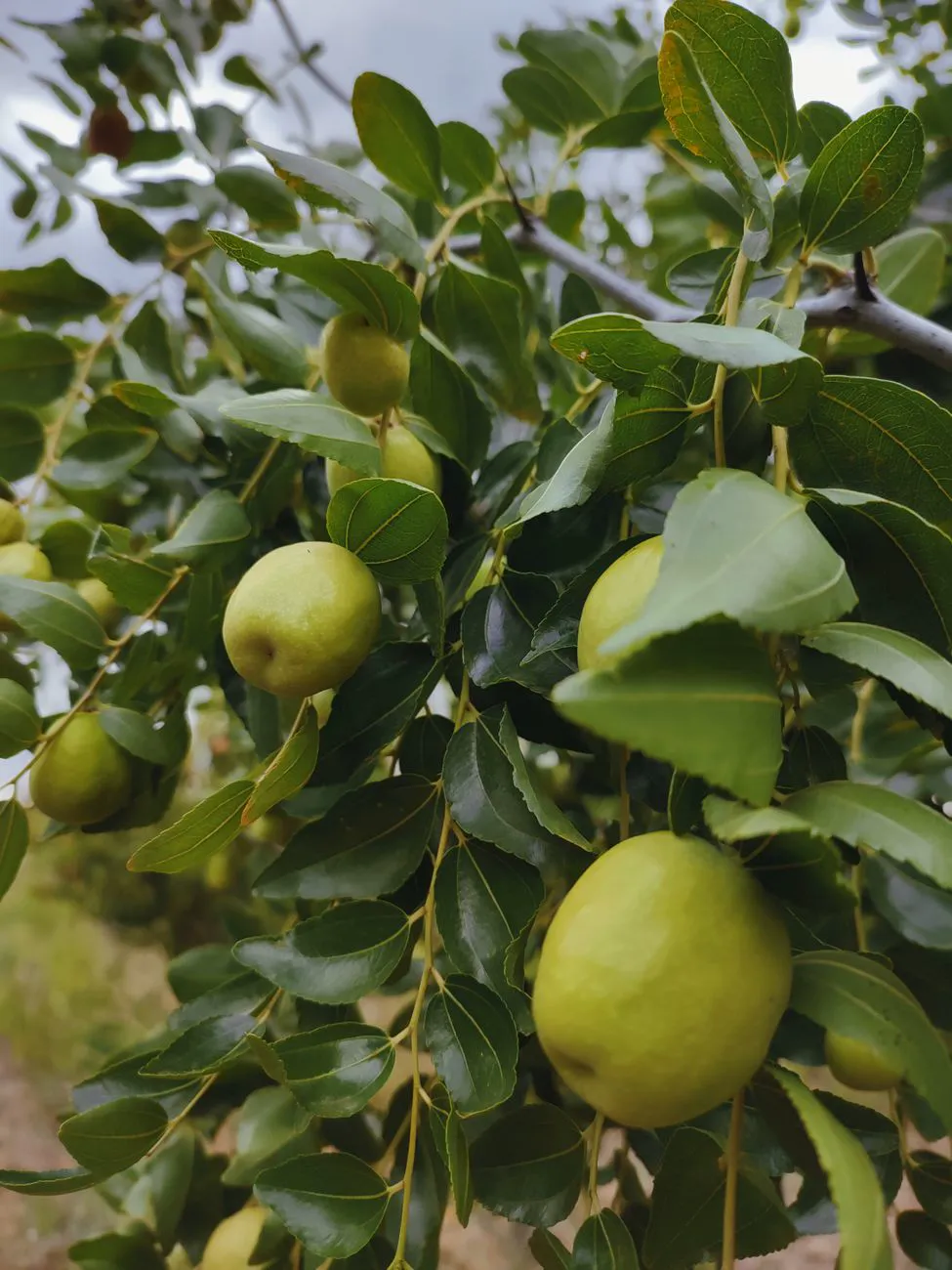
Ber is ready when the fruits turn yellowish to reddish-brown and feel crisp and full. Taste-test, as ripe ber is sweet while unripe fruit is sharp. Hand-pick the fruits as they ripen over several weeks. They keep better than many tropical fruits and can be eaten fresh, dried or pickled.
Health benefits & uses
Ber is Ziziphus mauritiana, the Indian jujube, and USDA FoodData Central has no entry for it. It does hold a row for jujube, raw at 69 mg of vitamin C per 100 g, but that is Ziziphus jujuba, the Chinese jujube — a related species with a different fruit, and not a substitute for ber on a nutrition table. So this page gives no per-100 g figures for ber, because none have been verified for it. Published cultivar analyses do report vitamin C in a wide band, which is consistent with the fruit’s reputation without confirming any single number. Ber has a long history in Ayurveda and other traditional systems; that is a record of use, not of proven effect. In the kitchen it is eaten fresh, dried like a date, candied, or made into pickles and drinks, and the leaves are used as fodder — a genuinely multi-purpose plant.
This article is for general information only and is not medical advice. Talk to a qualified professional before using any plant medicinally.
Types of ber to grow
Ber comes in many improved varieties, especially in India. They range widely in size and sweetness. A grafted, named type is far better than a wild seedling.
- Large dessert types — big, sweet, apple-like fruit such as Umran and Gola.
- Early varieties — types that crop sooner in the season.
- Small tangy types — the older, sharper fruits many remember from childhood.
Choose a grafted plant of a named variety for the best fruit. The large dessert types are sweetest and most productive. Local nurseries usually stock kinds suited to your region.
Common ber problems
Maggoty or spoiled fruit
Fruit fly. Use traps, bag the fruit, and pick promptly to reduce losses.
Lots of leaves, little fruit
Overfeeding or too much shade. Feed lightly and grow in full sun.
Powdery mildew
Humid, crowded growth. Prune for airflow and treat early.
Related plant guides
- How to grow Karonda
- How to grow Bael
- How to grow Amla
- How to grow Jamun
- How to grow Guava
- How to grow Phalsa
How to propagate ber
Ber is one of those trees where the method decides the fruit. Seedlings vary wildly in size and sweetness, which is why nurseries and commercial orchards almost never sell a seedling ber.
Budding and grafting (the standard method)
Growers first raise rootstock seedlings from seed, then work a named variety onto them. T-budding and ring budding are done during the active growing season, when the bark lifts cleanly from the wood; whip grafting is the usual grafting method where budding is not used. A budded or grafted plant can fruit within a couple of years and stays compact, while a seedling takes longer and gives whatever the seed happened to carry.
From seed
Seed is still worth sowing for a purpose: rootstock for your own budding, or a tough windbreak tree where fruit quality does not matter. Sow fresh stones in a deep container — ber makes a long taproot early — and keep them warm.
Cuttings
Cuttings are possible but far less reliable than budding, so treat them as an experiment rather than the plan. For fruit you actually want to eat, buy or make a grafted plant of a named variety.
Frequently asked questions
When does ber fruit ripen?
In winter to early spring — a valuable harvest when most other fruit trees are bare.
Is ber drought-tolerant?
Yes — extremely. Once established it copes with heat, drought, poor soil and even some salinity.
How soon does ber fruit?
Grafted plants can fruit within a couple of years; seed-grown trees take longer and vary in quality.
Is Indian ber the same as Chinese jujube?
They are close relatives but different species. Indian ber is more tropical and largely evergreen, while Chinese jujube is hardier and deciduous.
Can I grow ber in a pot?
Yes, a grafted, compact type in a large container. Give it full sun and good drainage, and prune it to keep it small.
Does ber lose its leaves?
Indian ber is largely evergreen in warm climates. It may shed some leaves in a dry or cool spell. New growth follows with the warm season.
How big does a ber tree get?
It can grow into a large, spreading tree if left alone. Annual pruning keeps it manageable and productive. A pot also restricts its size. Grafted varieties tend to stay more compact than seedlings.
When and how should I prune a ber tree?
Prune once a year, right after harvest, when the tree is at its quietest and often shedding leaves. Cut back the previous season’s shoots hard, because ber fruits on new growth, so heavy annual pruning is what drives the next crop rather than reducing it. Remove dead, crossing and inward-growing branches at the same time to open up the centre for light and air. In north India that pruning window generally falls in the hot pre-monsoon months, once the fruit is off the tree.
How are ber trees propagated?
Commercially they are budded or grafted, not grown from seed, because seedlings vary wildly in fruit size and quality. Growers raise rootstock seedlings and then use T-budding or ring budding during the active growing season, while whip grafting is the usual grafting method. A budded plant keeps the exact variety and comes into bearing in about two to three years. Seed is still worth sowing if you specifically want rootstock or a windbreak tree rather than good fruit.
How far apart should ber trees be planted?
Give a full-size orchard tree plenty of room, commonly 7 to 8 metres each way, and wider still where rainfall is high and canopies grow vigorously. Closer spacings around 5 to 6 metres are used in some regions and with compact varieties, but they need stricter annual pruning to stay productive. Crowded trees shade each other, hold humidity and suffer more disease. In a home garden, plan for one well-spaced tree rather than squeezing in two.
What pests and diseases affect ber trees?
Fruit fly is the biggest headache, and it tends to target exactly the sweet cultivars people prefer, so collect and destroy fallen fruit and use bait traps well before harvest. Powdery mildew is the main disease, and a bad attack causes leaves and young fruitlets to drop; it is controlled with timely sprays such as wettable sulphur at the first sign. Fruit borer, leaf-eating caterpillars and scale also turn up. Good pruning and orchard hygiene prevent far more trouble than spraying does.
Does a ber tree need another tree to set fruit?
Many ber varieties set poorly on their own, so planting two different varieties nearby usually gives a noticeably heavier crop. The flowers are insect-pollinated and highly attractive to bees, so anything that keeps pollinators around the tree during flowering helps. A lone tree will normally still fruit, just less generously. If a mature tree flowers heavily but sets little fruit, poor cross-pollination is one of the first things to check, along with water stress at flowering.
What does ber fruit taste like?
Taste depends heavily on the variety and on how ripe the fruit is. Picked at the crisp green-yellow stage it eats much like a small apple, sweet with a tart edge and a very crunchy texture. Left to ripen to reddish-brown it turns softer, sweeter and slightly date-like, which is why the dried fruit is often compared to dates. Every fruit carries a single hard olive-shaped stone in the middle.
How do you store ber fruit after picking?
Fresh ber is not a long keeper, and at room temperature it starts to shrivel and lose quality within roughly three to five days. Pick fruit when firm rather than fully soft, handle it gently, and refrigerate it in a perforated bag to stretch that to a couple of weeks. Do not wash it until you are ready to eat it. For anything longer, drying is the traditional answer, and dried ber keeps for months in an airtight jar.
How is ber eaten and cooked?
Most of the crop is simply eaten fresh out of hand, often with a pinch of salt and chilli powder in India. Beyond that the fruit is sun-dried, made into candy and murabba, pickled, stewed into chutney, or boiled down into jam and squash. Dried ber is also ground into powder for winter sweets in some regions. The stone is inedible, so recipes always call for pitting the fruit first.
Is ber fruit good for you?
Ber is genuinely nutrient-dense for such a small fruit. Studies report high levels of vitamin C, along with polyphenols, dietary fibre and a range of B vitamins, and it is traditionally used in Ayurveda and other systems for digestion and as a calming food. Research also points to antioxidant activity from its phenolic compounds. This is general information rather than medical advice, so please consult a qualified professional before using any plant for a health condition.
Still stuck? Ask the Plant Doctor
Describe the problem — yellow leaves, holes, no flowers — and get a clear answer in seconds. FreeAI can make mistakes. Answers are guidance, not a guarantee — check anything important against the guide it links to, and always read the label on any product before you use it.