How to Grow an Olive Tree
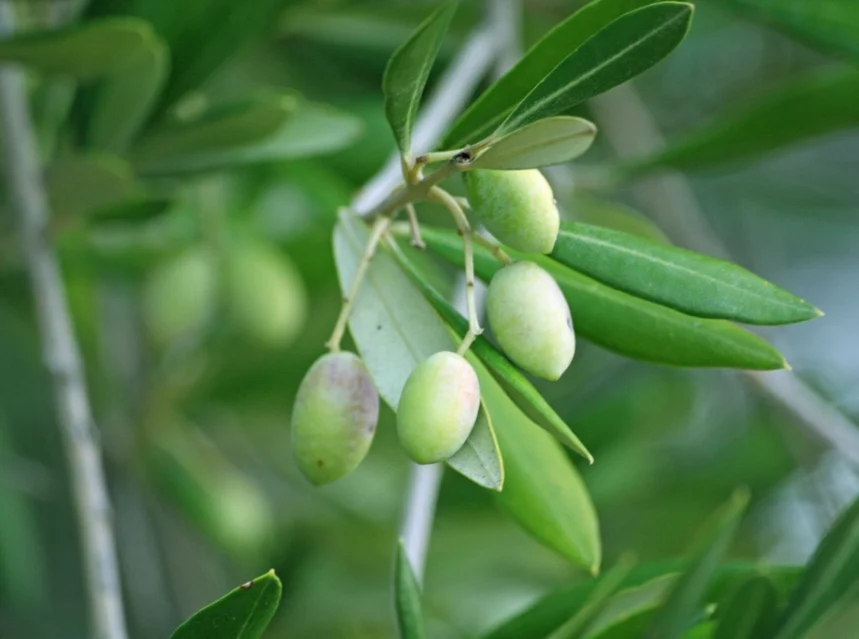
The olive tree (Olea europaea) is a silver-leaved evergreen Mediterranean tree grown for its fruit, its oil and its beauty — one of the most evocative and long-lived plants in the world, able to live for centuries. Beyond its architectural form, it gives you olives for curing and, with enough trees, oil. Hardy to moderate frost and happy in pots, the olive is increasingly grown well beyond its Mediterranean home. Here is the complete guide on how to grow an olive tree.
Quick start: Grow olives in full sun (6–8 hours) in well-drained, even poor, soil — they hate wet feet. They need a cool winter spell to flower. Use the “soak and dry” watering method, feed lightly in the growing season, and prune to an open shape. Trees fruit in 5–8 years. In cold climates, grow in a large pot and shelter in winter.
An olive tree brings instant Mediterranean character, and once established it is wonderfully drought-tolerant, thriving on poor, stony ground. Growers learn that sharp drainage is everything, as it rots in cold, wet soil far more readily than it suffers from drought. To fruit well it needs a hot summer and, in many varieties, a cool winter spell to trigger flowering. It is slow-growing and long-lived, takes happily to a large pot, and can be clipped, making it as much an ornamental as a crop.
🧰 In a hurry? Jump straight to our tested picks for this guide ↓
Olive at a glance
| Feature | Detail |
|---|---|
| Botanical name | Olea europaea (family Oleaceae) |
| Plant type | Evergreen Mediterranean tree |
| Sun | Full sun (6–8 hours) |
| Soil | Well-drained, even poor; hates wet feet |
| Water | “Soak and dry”; drought-tolerant |
| Flowering | Needs a cool winter spell |
| First fruit | 5–8 years; then crops for centuries |
| Note | Raw olives must be cured before eating |
Why grow an olive tree?
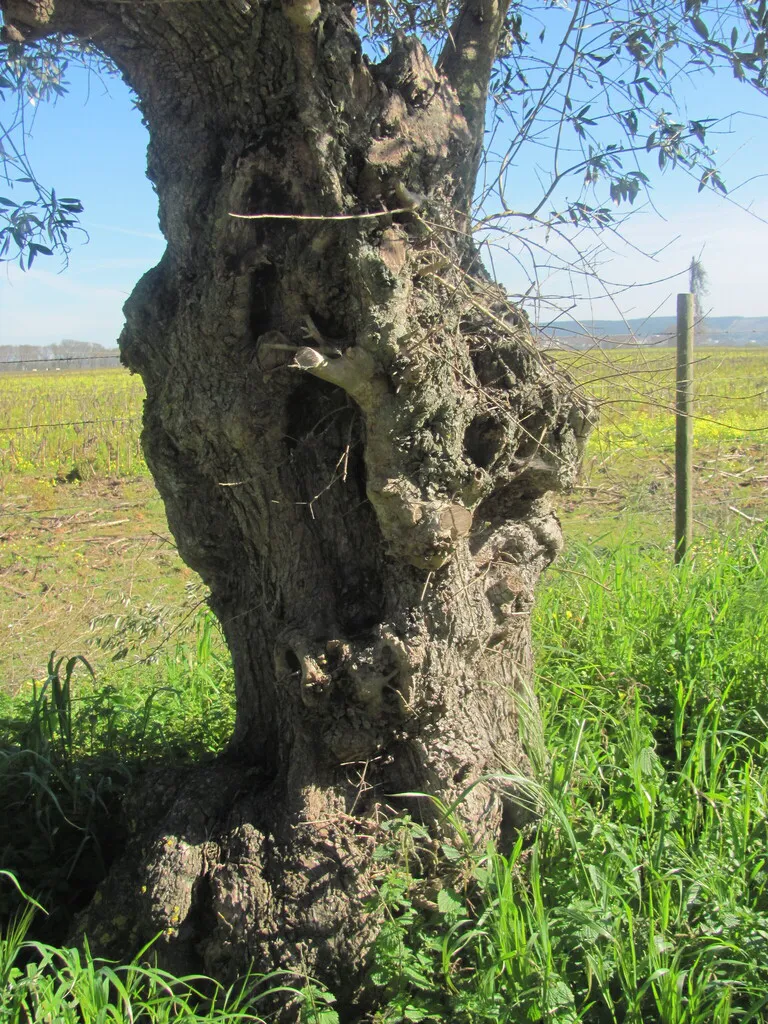
Olives offer year-round evergreen beauty and the satisfaction of curing your own. A few reasons to grow one:
- Beautiful and ancient. Silvery foliage, gnarled character and extraordinary longevity.
- Drought-tolerant. It is low-maintenance and thrives on poor soil.
- Container-friendly. It is happy in pots, suiting patios and small gardens far beyond the Mediterranean.
- Productive. You can harvest and cure your own olives, and press oil with enough trees.
History, origin & how the olive spread
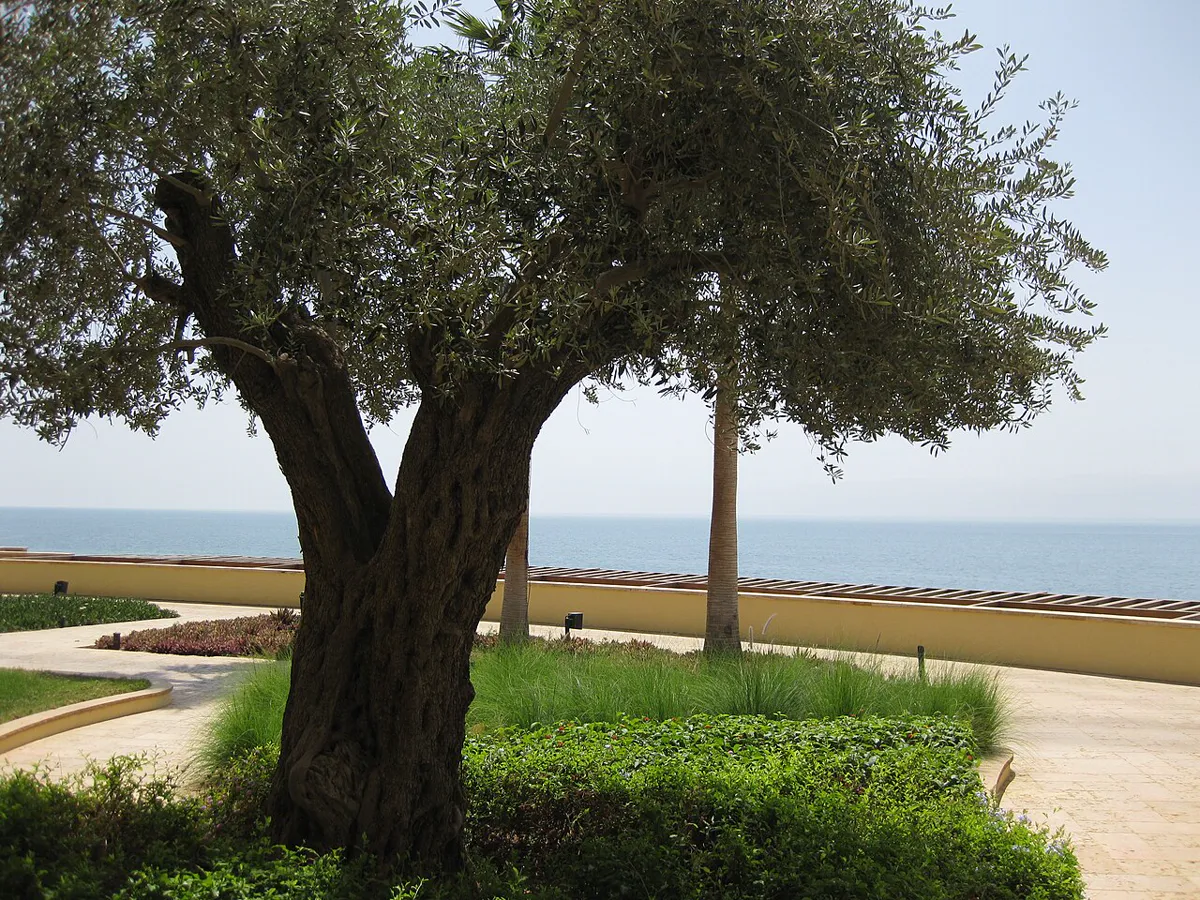
The olive was first cultivated in the eastern Mediterranean, most likely in the Levant, somewhere between 6000 and 4000 BC, which makes it one of the oldest farmed trees on earth (see the botanical and historical account of Olea europaea). Individual trees commonly reach 300 to 500 years, and the oldest are credibly put at around 700. It is one of the oldest farmed trees, sacred to many ancient cultures. The olive branch became a symbol of peace and the oil a precious commodity.
From its Mediterranean heartland, the olive spread with Greek and Roman civilisation across the region. Later it travelled to the Americas and Australia with European settlers. Ancient groves still bear fruit after many centuries.
Today Spain is the dominant producer by a wide margin, growing about 5.1 million of the roughly 20 million tonnes of olives harvested in 2023, with Greece and Italy next on about 2.5 and 2.4 million tonnes, and it is also grown in California, Australia, the Middle East and increasingly the milder UK (FAO crop statistics, “Olives” item, 2023). It suits warm-temperate, Mediterranean climates, tolerating heat, drought, poor soil and moderate winter frost. But it needs a cool winter spell to trigger flowering and fruit.
Best season & when to plant
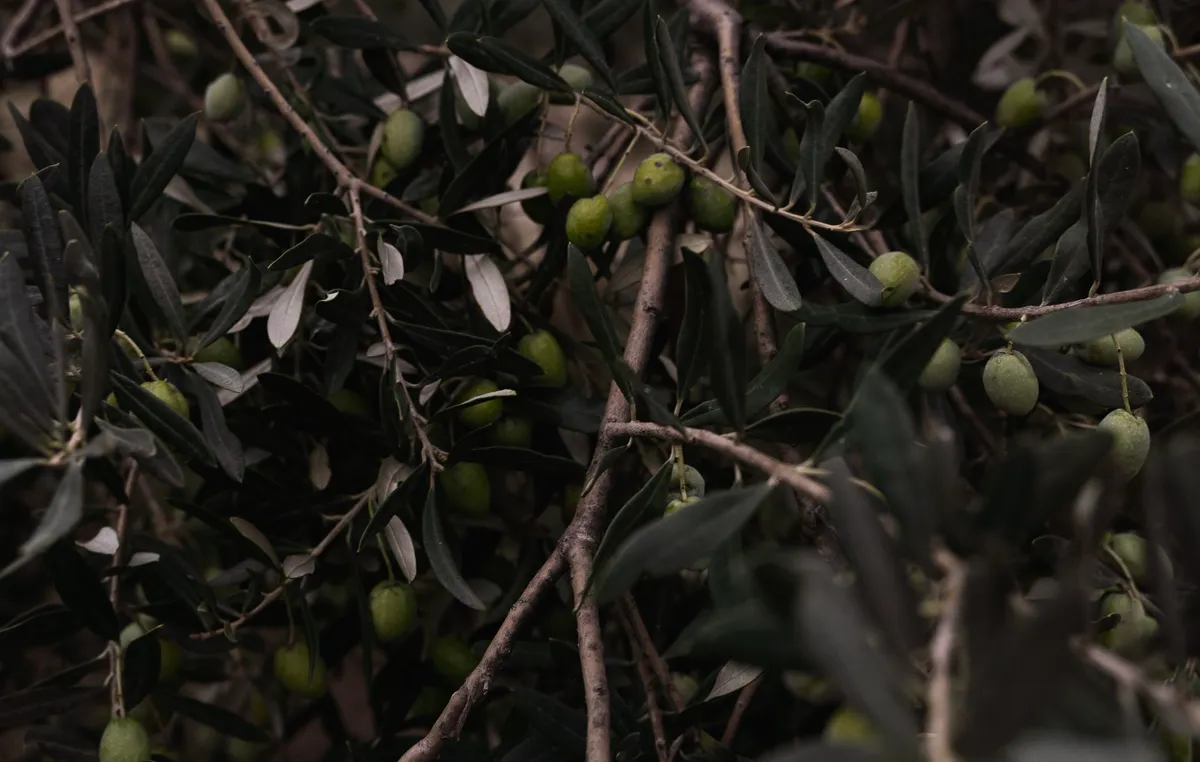
Plant olives in spring, after frost, into warm soil. They flower in late spring or early summer, after the needed winter chill, and the fruit ripens from autumn into early winter, turning from green to black. Trees typically begin fruiting in 5–8 years, then crop for a very long time, as olive trees can live and produce for centuries.
How to plant and grow olives
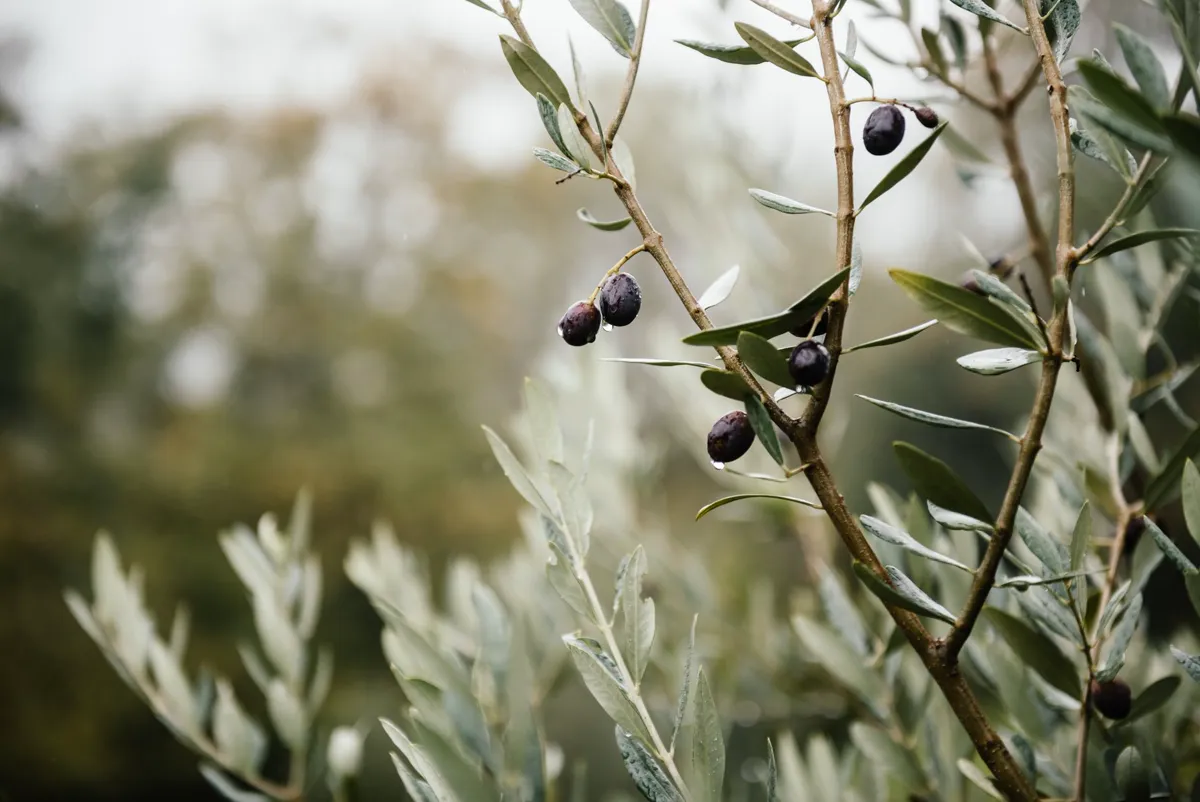
- Choose full sun (6–8 hours) — indoors, an unobstructed south-facing window — in well-drained soil; olives even thrive in poor, stony ground but rot in wet (see improving garden soil).
- For pots, use a large container with drainage holes and a free-draining (cactus-type) mix.
- Many olives are partly self-fertile, but a second variety nearby improves cropping.
Watering, feeding & winter care
Olives are drought-tolerant but, especially in pots, benefit from the “soak and dry” method — water deeply, then let about half the soil dry before watering again (see how often to water plants); never keep them soggy. Feed lightly with a balanced slow-release fertiliser in spring and summer, not in winter. In cold climates, shelter potted olives from hard frost over winter.
Pruning
Olives are forgiving trees, but pruning is where most people go wrong — usually by starting too early, cutting at the wrong time of year, or taking off far too much.
When to start, and when not to
Leave a young tree alone. Most growers advise no real pruning until the tree is about three to four years old. Before that the leaves are what build the root system, and cutting them off just slows everything down.
The season matters more than the technique. Prune between the end of winter and flowering, or in early summer once the flower buds open — pruning then lets you see how much crop is coming before you cut. Two windows to avoid, both for concrete reasons:
- Never prune in wet weather. Olive knot is a bacterial disease that enters through fresh cuts, and rain is how it travels. This is the single most avoidable olive disease.
- Never prune in frost. Cold slows wound healing, and cut tissue is what freezes first.
The shape: an open vase
Aim for a single trunk carrying three to five main branches that grow outward and upward, with an open middle. The point is not tidiness — it is light. An open centre lets sun reach the inside of the canopy, and olives fruit where the light lands.
| Do | Do not |
|---|---|
| Use thinning cuts — remove a whole branch at its origin | Head everything back; heading cuts trigger a thicket of vertical regrowth |
| Keep the tree low enough to harvest, and keep the centre open | Remove more than about a third of the canopy in one year |
| Sterilise tools between trees | Strip out all the older wood — olives fruit on one-year-old growth |
| Prune lightly but regularly | Leave it more than three or four years; long gaps cause a marked drop in yield |
The rule experienced growers repeat is worth borrowing: when in doubt, prune less.
Rescuing a neglected tree
An old, overgrown, unproductive olive can be brought back — but not in one go. Spread the work over three years, taking one or two major branches each year, cutting at roughly 1.2–1.5 m (4–5 ft) where you need to reduce height. Doing it all at once shocks the tree and produces a mass of weak water shoots.
Potted olives follow the same logic on a smaller scale: keep the canopy in proportion to the pot, since the roots can only support so much top growth.
Curing your olives
Here is the one rule every new olive grower must learn: raw olives are inedible. Straight off the tree they are intensely, mouth-puckeringly bitter, because of oleuropein. Curing leaches it out. Nothing else does, and there is no shortcut.
Green, unripe olives cure into a firmer, sharper result. Black, fully ripe ones give something softer and milder. They are the same fruit at different stages.
There are four traditional methods, and the honest difference between them is time versus effort.
| Method | How long | What you do | Best for |
|---|---|---|---|
| Water cure | 4–6 weeks, then brine | Slit or crack each olive, cover with cold water, change the water daily. Then move to brine to store | Green olives, and the method with no special ingredients |
| Brine cure | 1 month minimum, often 4 months to a year | Submerge in roughly 10% brine — about 400 g salt to 4 litres water — and leave it in a cool dark place | The classic, lowest-effort method. Taste as you go rather than trusting a date |
| Dry salt cure | 3–6 weeks | Layer ripe black olives with coarse salt, shake every few days as they release liquid, then rinse and pack in oil | Ripe black olives; gives wrinkled, intensely flavoured fruit |
| Lye cure | About 10 days | Short lye soaks, then several days of rinsing with the water changed 2–4 times a day, then a light brine | The commercial-style green olive. Fastest — and the only one with a real safety warning |
⚠️ If you use the lye method, read this first
Lye is caustic. Growers who use it are consistent about a few points, and they are worth repeating exactly:
- Always add lye to water, never water to lye — the reverse can spit back at you.
- Use cold water. The reaction gives off heat, and warm lye turns olives to mush.
- Never use an aluminium container. Aluminium reacts with lye.
- Use food-grade lye only — not drain cleaner, which now contains other additives.
- Wear eye protection, long sleeves and closed shoes, and keep vinegar or lemon nearby.
- Rinse until there is no soapy taste at all. Under-rinsed olives are not safe to eat.
If that sounds like more than you want to take on, use the brine or water method instead. They take longer and ask nothing of you but patience.
Growing olives in containers
A pot is the perfect home for an olive in a cool climate. It keeps this Mediterranean tree mobile. So you can chase the summer sun and dodge the worst winter frost.
Use a large container with plenty of drainage holes. Fill it with a free-draining, cactus-type mix. Stand it in the sunniest, warmest spot you have.
Water by the soak-and-dry method and never leave it soggy. Feed lightly through the growing season. Move the pot to a sheltered spot for hard winters, much as you would other tender container plants.
Why your olive tree flowers but never fruits
This is the most common olive disappointment, and the most common answer online is wrong.
Almost every guide says olives are self-fertile and one tree is enough. The horticultural research says
something different. UF/IFAS
states that most olive varieties are self-incompatible, several are outright self-sterile, and that
if fruit is your aim you should plant at least two distinct cultivars close together so that
wind-borne pollen can move between them.
It gets one step trickier, and this is the part no gardening page mentions: some cultivars are
also incompatible with each other. UF/IFAS gives Arbequina as an example — it is a good match with
Arbosana, Koroneiki and Picual, and a poor one with others. So “buy a second olive” is not enough advice on
its own; the second tree has to be a compatible cultivar.
| Reason there is no fruit | How to tell | What to do |
|---|---|---|
| Only one cultivar | Tree flowers heavily every year, sets almost nothing | Add a second, compatible cultivar within about 15 m. This is the single biggest fix |
| Not enough winter chill | Healthy tree that barely flowers at all — classic for indoor and conservatory olives | Flower buds form after roughly two months at about 1.5–10 °C. A warm living room never delivers it. Move the pot somewhere cold but frost-free over winter |
| Too young | Under about four years from a cutting or graft | Wait. Bearing age is around four years, sometimes later |
| Too much nitrogen or water | Lush green growth, flowers dropping | Olives fruit better when slightly lean and dry. Excess moisture causes flower drop; heavy nitrogen suppresses fruiting |
| It is simply an “off” year | Big crop last year, almost none this year | Nothing is wrong — see below |
| Not enough sun | Fewer than 6–8 hours | No feeding regime compensates for shade |
Alternate bearing: the “problem” that is not a problem
Olives are strongly biennial. A heavy year is normally followed by a light one, and this is genetic rather
than a mistake you made — olives seldom bear well two years running. In commercial groves the gap between an
“on” and an “off” year can run from around 5 to 30 tonnes per hectare. You cannot cure it,
but you can soften it: feed and water a little more in the heavy year, ease back in the light one, and thin
fruit on a young tree so it is not exhausted.
Common pests & diseases
Olives are among the most resilient fruit trees you can plant. Most home-garden problems come back to wet
soil rather than to any pest.
| Problem | What you see | What to do |
|---|---|---|
| Root and crown rot (Phytophthora) | Yellowing, thinning, slow collapse | The main killer of garden olives. Sharp drainage is not optional. Not treatable once advanced |
| Olive fruit fly (Bactrocera oleae) | Small puncture holes, maggots in the flesh | Only where established. Pick promptly and clear fallen fruit; do not leave rotting olives on the ground |
| Olive knot (Pseudomonas savastanoi) | Rough woody galls on twigs and branches | Bacterial, entering through wounds. Prune in dry weather, sterilise tools, cut out affected wood |
| Peacock spot | Dark rings on leaves, leaf drop, in damp weather | Airflow and sunlight. Rake up fallen leaves |
| Verticillium wilt | Whole branches wilt and die back suddenly | Soil-borne. Never plant where tomatoes, potatoes or cotton have grown |
| Scale and sooty mould | Sticky leaves, black film, ants | Horticultural oil on reachable growth. See sap-sucker control and our organic pest control guide |
One disease worth knowing about even though it is not a garden problem: Xylella fastidiosa, the
bacterium behind olive quick decline syndrome, has killed olive trees on a large scale in Apulia in southern
Italy. It is the reason many countries restrict the movement of olive plants. If you are buying a tree,
buy from a reputable nursery rather than importing one.
Harvesting
Olives are picked from autumn into early winter, roughly six months after flowering.
Pick them green for a firmer, sharper result or black for a softer, milder
one — they are the same fruit at different stages, not different varieties.
Hand-pick, or spread a sheet and shake the branches. Oil olives are pressed soon after harvest, because
quality falls quickly once the fruit is bruised.
And the fact that surprises every first-time grower: a raw olive off the tree is not an acquired
taste, it is genuinely inedible. The cause is oleuropein, a bitter phenolic compound that can reach
around 14% of dry matter in young fruit. Curing removes it. Nothing else does.
Olives in India: the Rajasthan experiment
Olives are not a traditional Indian crop, and the story of trying to make them one is genuinely useful if
you are considering a tree in a hot, dry part of the country.
After a 2006 visit to Israel’s Negev, Rajasthan set up Rajasthan Olive Cultivation Ltd in 2007
and imported about 112,000 plants of seven Israeli varieties — Arbequina, Barnea, Coratina,
Picholine, Picual, Koroneiki and Frantoio — raising them at a nursery near Jaipur and planting them across
districts including Bikaner, Sri Ganganagar, Nagaur, Jalore, Jhunjhunu, Alwar and Jaipur.
The honest results are the instructive part. Trees planted in 2007–08 first fruited in 2012,
a year or two later than expected, and only three of the seven varieties fruited at all.
Total production that year was about 10 tonnes from 182 hectares, at an oil yield of only
9–14%. The programme has since grown to roughly 800 hectares and produced a
state brand, Raj Olive Oil, against annual Indian olive-oil imports of around 14,500 tonnes.
| What Rajasthan learned | What it means for a home grower in India |
|---|---|
| Only 3 of 7 imported varieties fruited | Variety choice decides everything. A random imported olive is a poor bet; buy a cultivar already proven in Indian conditions |
| Fruiting came a year or two late | Expect patience beyond the four-year textbook figure |
| Each plant needs roughly 10–15 litres a day | Olives are drought-tolerant, not water-free, and that demand is real in a desert district |
| Olive knot was flagged as an introduction risk | Buy local nursery stock, not smuggled cuttings |
The short version: in the Indian plains an olive will usually grow happily as a handsome silver-leaved
tree and fruit poorly or not at all. In the drier north-west, with the right cultivar and irrigation,
it can crop — as Rajasthan has shown, slowly and with real effort.
Health benefits & uses
Olives and olive oil are rich in monounsaturated fat, vitamin E and polyphenols, and they are the backbone
of the Mediterranean diet. That much is well established. It is worth being clear about what that does and
does not mean: the evidence supports olive oil as part of an overall eating pattern, not as a treatment for
any condition.
Cured olives are eaten as a snack, in salads, in tapenade and in cooking, and the fruit is pressed for oil.
Table olives are also salty, which is worth remembering if you are watching sodium. The tree earns its place
as an ornamental too — the silver foliage is handsome all year — and the flowers feed bees
(see attracting pollinators).
This article is for general information only and is not medical advice. Talk to a qualified professional before using any plant medicinally.
Common olive problems
Flowers every year, no fruit
Usually a single cultivar with no compatible partner nearby. Most olive varieties are self-incompatible — add a second, compatible cultivar.
No flowers at all
Almost always not enough winter chill, which is why indoor olives rarely fruit. Flower buds need about two months at roughly 1.5–10 °C.
Heavy crop one year, nothing the next
Normal alternate bearing. It is genetic, not a care mistake.
Root rot or yellowing
Wet feet — the commonest way to kill a garden olive. Very sharp drainage, and soak-and-dry watering.
Bitter, inedible olives
Normal when raw. Oleuropein makes them genuinely inedible until cured in brine, water or salt.
Woody galls on the twigs
Olive knot, a bacterial disease entering through wounds. Prune only in dry weather and sterilise your tools.
How to propagate olives
An olive is one of the few trees where the propagation decision has a second consequence most guides miss. It is not only about how fast you get a tree — it decides whether you know the tree’s chill requirement and its pollination partner, and those two facts decide whether it ever fruits.
From cuttings
Take half-ripe wood, 5–10 cm with a heel, in July or August, and root them in a frame. Plants For A Future rates this a good percentage. A cutting is a clone, so it carries the cultivar with it — and with the cultivar comes its chill number and its compatibility group.
From seed — and the two things you lose
Sow seed in late winter in a shady position in a greenhouse. Home-produced seed should be given a period of cold stratification first, and where you can, sow it as soon as it is ripe in autumn instead. Grow the seedlings on under glass for at least their first winter, and possibly their first two or three, before planting out in early summer.
Now the catch, and it is specific to olives. A seedling is not a named cultivar, so you no longer know how many chill hours it needs — and that number is the single thing that decides whether an olive fruits in your climate. You also no longer know its compatibility group, and since most olive varieties are self-incompatible, a fruiting tree needs a second, compatible cultivar nearby. Raise a seedling by all means for the silver foliage. If fruit is the point, take a cutting or buy a named grafted tree.
Related plant guides
- How to grow Grapefruit
- How to grow Orange
- How to grow Amla
- How to grow Mulberry
- How to grow Loquat
- How to grow Avocado
Frequently asked questions
Can you eat olives straight off the tree?
No — raw olives are intensely bitter and must be cured (in brine, water or salt) for several weeks before they are edible.
Do olive trees need a cold winter?
Yes — they need a cool winter spell to trigger flowering, so without it, fruiting can be poor or absent.
Can I grow an olive tree in a cool climate like the UK?
Yes — grow it in a large pot in full sun and shelter it from hard frost in winter; it tolerates moderate cold.
How long until an olive tree fruits?
Usually about 5–8 years, after which it can crop for a very long time — olive trees can live and produce for many centuries.
Do I need two olive trees for fruit?
Many are partly self-fertile, so one tree can crop. A second variety nearby, though, noticeably improves the harvest.
How do I cure olives at home?
Soak them in brine, plain water or dry salt over several weeks. This slowly draws out the natural bitterness. Only then are the olives ready to eat.
How do you prune an olive tree?
Prune in late winter or early spring, before new growth starts and once the worst frosts have passed. Olives fruit on wood grown the previous year, so the aim is to open the crown to light and air rather than to shear the outline — take out crossing branches, inward-growing shoots, dead wood and the vigorous vertical water shoots. A goblet or vase shape with three or four main limbs is the traditional target and keeps the fruiting wood within reach. Go steadily; a hard, all-over cut removes next season’s crop.
Why is my olive tree losing leaves?
Leaf drop is the olive’s standard complaint signal, and overwatering is the most frequent cause in gardens and pots. Roots sitting in wet compost fail, and the tree sheds leaves even though the soil looks generously watered. Cold shock, a sudden move indoors into dry heat, and severe drought produce the same symptom from the other direction. Check drainage first, let the top few inches dry between waterings, and give the tree light and ventilation rather than more fertiliser.
How often should you water an olive tree in a pot?
Water when the top 2 inches of compost feel dry, then water thoroughly until it runs from the drainage holes. In hot summer weather that can mean every two or three days for a tree in a modest pot; in winter it may be once every two or three weeks. Never leave the pot standing in a saucer of water, because that is how most container olives die. Free-draining compost with added grit makes the whole routine far more forgiving.
How cold can an olive tree tolerate?
An established, hardy-type olive copes with occasional light frost and reports of survival down to around 14F (-10C) are common, though the leaves usually scorch. Younger trees and container-grown trees are much more vulnerable, because their roots are exposed on all sides. Prolonged freezing, rather than one cold night, is what kills. In cold regions, wrap the pot with fleece or bubble insulation, move it against a sheltered wall, and keep it out of freezing wind.
What size pot does an olive tree need, and when do you repot?
Match the pot to the tree rather than starting huge — a young tree is happy in a container about 12 to 16 inches across, moving up a size or two as it fills out. A mature patio olive generally settles in something 20 inches or more in diameter. Repot every two or three years in spring, teasing out circling roots and refreshing the compost, and step up only one pot size at a time so the excess compost does not stay soggy. Heavy terracotta beats plastic here, because it dries faster and stops a top-heavy tree blowing over.
How tall does an olive tree grow, and how fast?
Olives are slow, which is part of their charm and part of their price. In the ground an unpruned tree eventually reaches around 20 to 30 feet, but it takes decades, and most garden trees are kept to 10 to 15 feet by pruning. Annual growth of a few inches to a foot is normal, less in a container. If you want height quickly, an olive is the wrong tree; if you want one that will outlive you, it is very much the right one.
When do you harvest olives, and does the colour matter?
Colour is really a ripeness stage, and it decides what the fruit is best for. Olives picked at the green-ripe stage have reached full size but are still firm and yellow-green, and they give a dense, sharper table olive; in California that harvest generally starts around mid-September. Left on the tree they turn mottled reddish-brown and finally black, with black-ripe picking running into December. Green fruit is firmer and more bitter, black fruit softer and milder, and oil-makers usually pick somewhere in the middle of that range.
Which olive varieties are best for eating, and which for oil?
Table varieties are chosen for large, fleshy fruit with a small stone — Manzanilla, Kalamata, Gordal and Cerignola are the classic names. Oil varieties are picked for high oil content and flavour rather than size, so Arbequina, Frantoio, Picual, Koroneiki and Leccino dominate there. Plenty of cultivars are dual-purpose, and Arbequina in particular is popular with home growers because it is compact and starts cropping young. Decide what you want from the tree before you buy, because you cannot change a variety later.
Why did my olive tree flower but set no fruit?
Olives are wind-pollinated, and the flowers are fussy about the weather during their short window. Heavy rain, humid still air, or a sudden hot spell during bloom can all wash out or dry out the pollen before it does its job. A tree that flowered without a compatible partner nearby will also set poorly, even in partly self-fertile varieties. Add a second cultivar within pollen range, keep the tree evenly watered through flowering, and expect the picture to improve the following year.
Do olive trees crop every year?
Not evenly. Olives are strongly alternate bearing, meaning a heavy crop one year drains the tree’s reserves and is usually followed by a light one. The pattern is normal and not a sign of illness. You can soften it by thinning some fruit in a very heavy year and by feeding and watering after a big harvest, which helps the tree rebuild for the next season.
How many olives does one tree produce?
It varies enormously with age, variety, climate and pruning, so treat any single figure with suspicion. A young garden tree may give a couple of pounds in its first cropping years, while a mature, well-managed tree in a suitable climate can yield tens of pounds in a good year and far less in an off year. Trees in pots crop lightly by comparison because root space limits them. For planning purposes, judge your own tree over three seasons rather than trusting an average.
Can you make your own olive oil at home?
You can, but the arithmetic surprises most people. Olives are only around 15 to 20 percent oil by weight, so it takes roughly 5 to 7 kilos of fruit to produce a single litre — which means a serious crop from several mature trees, not one patio tree. Home pressing also needs the fruit milled and separated within a day or two of picking, or the oil turns rancid and off-flavoured. Most small growers either take their fruit to a community press or simply cure their olives for the table instead.
Do I need two olive trees to get fruit?
In most cases yes, and this is the single most useful thing to know about olives. UF/IFAS states that most olive varieties are self-incompatible, and several are outright self-sterile, so if fruit is the aim you should plant at least two distinct cultivars close together. The pollen is wind-borne, so keep them within roughly 15 metres. One extra catch that gardening pages rarely mention: some cultivars are incompatible with each other too, so the second tree has to be a compatible variety rather than just any olive.
Why does my potted olive flower but never set fruit?
Two causes, and they often occur together. First, a single cultivar with no compatible pollen partner nearby. Second, and more common indoors, not enough winter chill. Flower buds form after roughly two months at about 1.5 to 10 degrees Celsius, which a heated room never provides. Move the pot somewhere cold but frost-free for the winter, and add a second compatible cultivar if you have space.
Why did my olive tree crop heavily one year and barely at all the next?
That is alternate bearing, and it is normal. Olives seldom bear well two years in succession. The pattern is genetic rather than a care mistake, and even commercial groves see very large swings between on and off years. You can soften it by feeding and watering a little more in the heavy year and easing back in the light one, and by thinning fruit on a young tree so it is not exhausted.
How cold can an olive tree survive?
Established trees tolerate light frost, but they are damaged around minus 11 degrees Celsius and fruit is harmed well before that. Container trees are more vulnerable than trees in the ground because the roots are exposed. The bigger issue in cool climates is not survival but cropping: the tree lives happily and simply never gets the summer heat it needs to ripen fruit.
Can you grow an olive tree in India?
In the plains it will usually grow as an attractive silver-leaved tree and fruit poorly or not at all, because it lacks the winter chill. In the drier north-west the picture is different. Rajasthan has run a state olive programme since 2007 using Israeli cultivars, and although only three of the seven imported varieties fruited well, the area has since grown to roughly 800 hectares. Variety choice and irrigation decide the outcome, so buy a cultivar already proven locally rather than an unknown import.
Why are raw olives inedible?
Because of oleuropein, a bitter phenolic compound that can reach around 14 percent of dry matter in young fruit. It is not an acquired taste that you can get used to. Curing in brine, water or dry salt over several weeks leaches it out, and there is no shortcut that skips this step.
What are the woody lumps on my olive branches?
Almost certainly olive knot, a bacterial disease that enters through wounds and forms rough galls on twigs and branches. Cut out affected wood, prune only in dry weather, and sterilise tools between cuts. Wet weather at pruning time is what spreads it.
Still stuck? Ask the Plant Doctor
Describe the problem — yellow leaves, holes, no flowers — and get a clear answer in seconds. FreeAI can make mistakes. Answers are guidance, not a guarantee — check anything important against the guide it links to, and always read the label on any product before you use it.